
12:1
| বাংলা | English |
|---|---|
| আলিফ। লাম। রা। এগুলো হলো প্রকাশকারী কিতাবের আয়াত। | Alif. Lām. Rā. Those are the signs of the revealing (i.e., exposing message of the) scripture. |
12:2
| বাংলা | English |
|---|---|
| আমরা এটিকে একটি সুবিন্যস্ত ‘কুরআনে’ (পাঠযোগ্য লিখিত রূপে) ধারণ করেছি, যাতে তোমরা (সবাই) বুদ্ধি খাটাও। | We have lodged it into a concinnated ‘Qur’ān’ (readable textual form), perchance you (all) might engage your intellect. |
12:3
| বাংলা | English |
|---|---|
| আমরা তোমার উপর (মুহাম্মদ) এমন গল্পসমূহ প্রকাশ করি যা অত্যন্ত অন্তর্দৃষ্টিপূর্ণ, যা আমরা তোমার জন্য এই কোরআনে প্রত্যাদেশ (ওহী) করেছি। এবং সত্যিই, তুমি এর পূর্বে (এই সূরা অবতীর্ণ হওয়ার পূর্বে) ছিলে তাদের মধ্যে যারা ছিলো অনবগত (আমাদের প্রত্যাদেশ প্রকাশ করার ধরন থেকে যা কুরআনের গল্পগুলোর মধ্যে আড়ালভাবে প্রকাশ করা হয়েছে)। | We disclose onto you (Muḥammad, in the form of) stories that are most insightful, (as a vessel for) what we enjoined for you (of) this Qur’an. And indeed, you were before it (i.e., before the story in this surah) among those unaware (of our style of expressing enjoinments to you in a manner concealed within the Qur’ānic stories). |
12:105
| বাংলা | English |
|---|---|
| এবং যেমন অনেক নিদর্শন আছে যা কিতাবের জন্য বরাদ্দকৃত বোঝাপড়ার স্তরে (প্রকাশিত বা প্রদর্শিত), যা তারা অতিক্রম করে, অথচ তা উপেক্ষা করে! | And like many a sign that is (revealed or displayed) in the layers of understanding allocated to the scripture, by which they pass, while ignoring it! |
12:110
| বাংলা | English |
|---|---|
| শেষ পর্যন্ত, যতক্ষণ না দূতরা হতাশার* কাছে আত্মসমর্পণ করতো, এবং যখন তারা (ভুলভাবে, হতাশায়) সন্দেহ করতো যে তারা বিভ্রান্ত হয়েছে (অর্থাৎ, ভুলভাবে চালিত হয়েছে), (কেবল তখনই) আমাদের সমর্থন আসতো, যার উপর আমরা ইচ্ছা করি (পরিত্রাণের জন্য) রক্ষা পায়, এবং অবশ্যই, দুর্নীতিবাজদের (যারাউৎস থেকে ব্যাখ্যা আলাদা করে)** বিরুদ্ধে আমাদের শক্তি কখনও প্রতিহত করা যায় না। | Until, at last, when the emissaries surrendered to despair, and when they (wrongly, out of despair,) suspected that they were misled (i.e., misguided), (only then) our support arrives, whereupon whomever we willed (to be saved) is saved, and surely, our might against the corrupters can never be averted. |
12:111
| বাংলা | English |
|---|---|
| নিঃসন্দেহে (কোরআনে বর্ণিত) তাদের কাহিনীতে গভীর প্রতিফলনের ক্ষমতার অধিকারীদের জন্য একটি রূপক বৈশিষ্ট্যের অতিক্রম (শব্দের উপরিভাগের অর্থের বাইরে যাওয়া) রয়েছে। এটা এমন কোনো আলোচনা নয় যা মনগড়া করা যায়; বরং, এটি সেই ব্যক্তির সত্যবাদিতার প্রমাণ, যার হাতে এটি রয়েছে, এবং এটি সমস্ত কিছুর থেকে একটি বিস্তৃত কৌণিক শাখাবিন্যাস, এবং বিশ্বাসী সম্প্রদায়ের জন্য পথনির্দেশ ও অনুগ্রহ। | Surely, in their stories (recounted in the Qur’an), there is an allegorical crossing over for those of the pith. It is not a discourse that can be concocted; Rather, it is evidence to the truthfulness of the person in whose hands it is, and a divarication of everything, and guidance and mercy to a community of people who believe. |
12:4
| বাংলা | English |
|---|---|
| যেমন, যখন ইউসুফ তার পিতাকে বলল: “প্রিয় পিতা! আমি নিশ্চিত হয়ে গেছি যে অনেক বিভ্রান্ত, অন্ধ অনুসারী আছে, এবং সূর্য ও চাঁদ (এর আব্রাহামিক প্রতীকবাদের অর্থও আমি বুঝি)। আমি নিশ্চিত হয়ে গেছি যে, আমার মাধ্যমে তারা (অর্থাৎ বিভ্রান্ত মানুষরা) আনুগত্যে সমর্পণ করবে (আব্রাহামিক একেশ্বরবাদে)।” | Such as, when Yussuf said to his father: “My dear father! I have become convinced that there are multitudes of misled, blind followers, and (I also understand the Abrahamic symbolism of) the sun and the moon. I have become convinced that, through me, they (i.e., the misled people) shall submit in obedience (to the Abrahamic monotheism).” |
12:5
| বাংলা | English |
|---|---|
| সে (ইয়াকুব) বলেছিলো: “প্রিয় পুত্র! তোমার ভাইদের কাছে তোমার মতামত প্রকাশ করবে না, পাছে তারা তোমার ক্ষতি করে (বিভ্রান্তিকর) ষড়যন্ত্রে; প্রকৃতপক্ষে, শয়তান, বিশেষভাবে ‘ইনসান’ এর (সরাসরি পথপ্রদর্শণযোগ্য মানুষ, অর্থাৎ, তুমি ইউসুফ এর) বিরুদ্ধে একটি প্রকাশ্য শত্রু।” | He (Yaɛqub) said: “My dear son! Do not express your opinion, applying it to your siblings, lest they scheme against you, in a (devious) scheme; Indeed, the Shayṭān is, for ‘Insan’ (the directly guidable man; i.e., you Yussuf) specifically, an exposing enemy.” |
12:6
| বাংলা | English |
|---|---|
| “আর এইভাবে (তোমার নীরবতার আধ্যাত্মিক অনুশীলনের মাধ্যমে) তোমার পালনকর্তা তোমাকে এমন একজন করে দিবেন যার ডাকে তিনি সাড়া দেন, এবং বাণীসমূহের ব্যাখ্যার মাধ্যমে তোমাকে সুস্পষ্ট জ্ঞান লাভ করান এবং তোমার প্রতি ও ইয়াকুবের অনুসারীদের প্রতি তাঁর অনুগ্রহ পূর্ণ করেন, ঠিক যেমন ইতিপূর্বে তিনি তোমার দুই (আধ্যাত্মিক) পূর্বপুরুষ ইব্রাহিম ও ইসহাকের প্রতি পূর্ণ করেছিলেন। নিশ্চয় তোমার পালনকর্তা প্রমাণ-ভিত্তিক জ্ঞান ও বিচক্ষণতা প্রদানকারী।” | “And thus (through your spiritual practice of silence) your lord shall make you someone to whose supplication he responds, and avails you of certainty in knowledge through the interpretation of discourses, and completes his favor upon you and upon Yaɛqub’s followers, just as he completed it upon your two (spiritual) forefathers before, Ibrāhīm and Issḥāq. Indeed, your lord exposes evidence-based knowledge, provides linguistic discernment.” |
12:7
| বাংলা | English |
|---|---|
| নিশ্চিতভাবেই, তোমার (আবিষ্কারের করার) জন্য, ইউসুফ এবং তার ভাইদের (বিষয়ক বিবরণীর) মধ্যে যারা (জিজ্ঞাসা করে বা) অনুসন্ধান করে তাদের জন্য প্রমাণমূলক সূত্র রয়েছে! | For sure, there are, for you (to discover), in (the account about) Yussuf and his siblings, evidentiary clues to those who (ask or) inquire! |
12:8
| বাংলা | English |
|---|---|
| যেমন, যখন তারা বলল (নিজেদের মধ্যে বা অন্য কোনো দলের কাছে): “ইউসুফ এবং তার ভাই আমাদের পিতার কাছে আমাদের চেয়ে বেশি প্রিয়, আর আমরা তো একটি চক্র! নিশ্চয়ই আমাদের পিতা প্রকাশ্য বিভ্রান্তিতে রয়েছে!” | Such as when they said (among themselves or to another group): “Yussuf and his brother are more favored by our father than we are, and we are a clique! Surely our father is in a manifest aberration!” |
12:9
| বাংলা | English |
|---|---|
| (কেউ বলল:) “ইউসুফকে হত্যা করো, অথবা তাকে কোনো (দূরবর্তী) স্থানে ফেলে দাও, যাতে তোমরা (সম্মিলিতভাবে) তোমাদের পিতার একচেটিয়া মনোযোগ পেতে পারো; এবং তার পর, তোমরা (সম্মিলিতভাবে) ধার্মিক লোকদের একটি দল হয়ে উঠতে পারো!” | (Someone said:) “Slay Yussuf, or cast him away to some (distant) land, so that you (collectively) can have the exclusive attention of your father; and after him (or after it), you (collectively) may become righteous group of people!” |
12:10
| বাংলা | English |
|---|---|
| তাদের মধ্যে একজন ধোঁকাবাজ বক্তা বলল: “ইউসুফকে হত্যা করো না, বরং তাকে জলাধারের লুকানো অভ্যন্তরীণ প্রান্তে নিক্ষেপ কর, কিছু পথিক (কাফেলায়) তাকে তুলে নিবে, যদি তোমরা পরিকল্পনা অনুযায়ী কাজ করতে চাও। | A deceiving speaker among them said: “Do not slay Yussuf, but throw him instead into the hidden inner ledge of the cistern, for some travelers (in the caravan) to pick him up, if you want to act according to a plan.” |
12:11
| বাংলা | English |
|---|---|
| (পরবর্তীতে) তারা (ভাইরা) বলল: “আমাদের পিতা! তুমি কেন ইউসুফকে আমাদের সঙ্গে রাখো না? সত্যিই, তার জন্য আমরা (একান্ত) পরামর্শক হব।” | (Later on) They (the siblings) said: “Our Father! How come you do not entrust Yussuf to be with us? Truly, for him, we shall be (exclusive) advisors.” |
12:12
| বাংলা | English |
|---|---|
| “তাকে আমাদের সঙ্গে আগামীকাল পাঠাও, যাতে সে মেষ পালন শিখতে পারে এবং খেলতে পারে। এবং সত্যিই, তার জন্য আমরা ভালো অভিভাবক হব।” | “Send him with us tomorrow, so that he may learn shepherding and play. And truly, for him, we shall be good guardians.” |
12:13
| বাংলা | English |
|---|---|
| সে (ইয়াকুব) বলল: “সত্যিই, এটা আমাকে দুঃখ দেয় যে তোমরা তাকে আমার থেকে দূরে নিয়ে যাবে, এবং আমি ভয় পাচ্ছি যে কোনো প্রাণী তাকে খেয়ে ফেলতে পারে, যখন তোমরা তার প্রতি অবগত নও।” | He (Yaɛqub) said: “Truly, it grieves me that you would accompany him away (from me), and I fear that a beast may eat him, while you are unaware of him.” |
12:14
| বাংলা | English |
|---|---|
| তারা (ইয়াকুব ছাড়া ভাইরা নিজেদের মধ্যে) বলল: “আমরা একটি চক্র হওয়া সত্ত্বেও যদি কোন জন্তু তাকে গ্রাস করে, তাহলে সত্যিই আমরা ক্ষতিগ্রস্ত হব।” | They (the siblings, among themselves, without YaƐqub) said: “If a beast were to devour him despite the fact that we are a clique, then truly, we would be losers.” |
12:15
| বাংলা | English |
|---|---|
| এবং যখন তারা (ভাইরা) তাকে (ইউসুফ) সঙ্গে নিয়ে গেল, এবং তারা দীর্ঘসময় ধরে বিলুপ্ত দাসদের মধ্যে তাকে ফেলে দেওয়ার ষড়যন্ত্র করল, এবং আমরা তাকে প্রত্যাদেশ করলাম: “তাদেরকে তোমাকে বলতে হবে তাদের এই ভ্রষ্ট উদ্যোগ সম্পর্কে” অথচ তারা তা উপলব্ধি করে না। | And when they (the siblings) accompanied him (Yussuf) away, and they colluded to remand him among the long-forgotten disappeared slaves, and we enjoined upon him: “You are to tell them about this here corrupt determination of theirs,” while they perceive it not. |
12:16
| বাংলা | English |
|---|---|
| এবং তারা রাতের বেলায় কাঁদতে কাঁদতে তাদের পিতার (গৃহে) উপস্থিত হলো। | And they arrived at (the homestead of) their father at nightfall, weeping. |
12:17
| বাংলা | English |
|---|---|
| তারা বলল: “আমাদের পিতা! আমরা একে অপরের সাথে দৌড় প্রতিযোগিতায় গিয়েছিলাম, এবং ইউসুফকে আমাদের মালপত্রের কাছে রেখে গিয়েছিলাম, তখনই জন্তুটি তাকে খেয়ে ফেলল!” (আর তারা নিজেদের মধ্যে বলতে থাকল:) “আর আপনি আমাদের বিশ্বাস করবেন না, যদিও আমরা সত্যবাদী হই!” | They said: “Our Father! We went racing each other, leaving Yussuf by our chattel, and so, the beast ate him!” (And they continued, speaking among each other:) “And you shall not believe us even if we were truthful!” |
12:18
| বাংলা | English |
|---|---|
| আর তারা তার জামা উপস্থাপন করল (প্রমাণস্বরূপ), মিথ্যা রক্তে রঞ্জিত। আর ইয়াকুব (তাদের মিথ্যা চিনে নিয়ে) বলল: “বরং তোমাদের নিজ তোমাদিগকে একটি কলুষিত কাজ করার জন্য প্রতারিত করেছে। সুতরাং (আমার জন্য একমাত্র পথ হলো) দ্রুত, সর্বাঙ্গীণ ধৈর্য ধারণ করা, আর আল্লাহই সেই একমাত্র জ্ঞানের উৎস, তোমরা যে মিথ্যা বর্ণনা করছ তার বিরুদ্ধে।” | And they proffered his shirt (as evidence), stained with fake blood. And Yaεqub (recognized their lies and) said: “Nay, your selves have beguiled you into committing a corrupt undertaking. So, (for me, the only course of action is) swift, comprehensive patience, and Allahh is the only source for knowledge against the falsehood that you describe.” |
12:19
| বাংলা | English |
|---|---|
| আর একদল কাফেলা এসে পৌঁছল, এবং তারা তাদের অগ্রবর্তী খবর সন্ধানীকে পাঠাল, এবং সে (এই দুর্নীতিগ্রস্ত উদ্যোগে) তার অংশ প্রস্তাব করল, বলে: “সুসংবাদ?” (ভাইয়েরা উত্তর দিল:) “এটি এক বালক!” আর তারা (ক্রেতারা, যারা পরে মিসরে তাকে বিক্রি করেছিল) তাকে লুকিয়ে রাখল (অন্য) সম্পদের সাথে (তাদের বাণিজ্যসামগ্রী হিসেবে)। আর আল্লাহ তাদের মেহনত সম্পর্কে (তাদের বাচন ব্যবহার করে) প্রমাণভিত্তিক জ্ঞান প্রকাশ করেন। | And a caravan of travelers arrived, and they sent their advance scout, and he offered his part (in the corrupt undertaking), saying: “Good news?” (The siblings answered:) “This (here) is a boy!” And they (the buyers who eventually sold him in Misr) concealed him (to be) with (other) property (as their stock-in-trade). And Allahh exposes the evidence-based knowledge about their toiling (using their locution). |
12:20
| বাংলা | English |
|---|---|
| এবং তারা তাকে কম দামে, কয়েকটি দিরহামের বিনিময় বিক্রি করল, এবং তারা তাদের মধ্যে ছিলেন যারা তাকে বেশি মূল্যায়ন করেনি। | And they sold him for a negligible price, a small number of Dirhams, and they were among those who did not value him highly. |
12:21
| বাংলা | English |
|---|---|
| এবং মিসরের যে ব্যক্তি তাকে কিনল সে তার অধস্তন নারীকে বলল: “তার আবাস মর্যাদাপূর্ণ করো! হয়তো সে আমাদের উপকার করতে পারে, অথবা আমরা তাকে ‘ওয়ালাদ’ (আমাদের পক্ষে মধ্যস্থতাকারী এজেন্ট) হিসাবে নিয়োগ করতে পারি।” এবং পরবর্তী (আয়াতে), আমরা (বর্ণনা করি কিভাবে) ইউসুফকে উচু স্থানে প্রতিষ্ঠিত করলাম (রাজার সরাসরি সেবায়) সেই দেশে, এবং যাতে আমরা তাকে প্রমাণভিত্তিক জ্ঞান প্রদান করতে পারি বাক্যার্থের ব্যাখ্যার জন্য। আর আল্লাহ্ অবশ্যই তার (মিসরের লোকটির) অসৎ কাজের উপরে বিজয়ী হবেন, কিন্তু অধিকাংশ লোকের কাছেই প্রমাণ-ভিত্তিক জ্ঞান নেই। | And the one from Misr who bought him said to his subordinate woman: “Make his abode honorable! Hopefully, he may benefit us, or we may designate him as a ‘walad (an intermediary agent on our behalf).” And in the following (Ayat), we (explain how we) established Yussuf in high station (in direct service to the king) in the land, and so that we avail him of evidence-based knowledge of the interpretation of discourses. And Allahh shall certainly prevail over his (the man from Mişr) corrupt undertaking, but most people do not have evidence-based knowledge. |
Note: 1. এই :”اليري آشتلة في تمر” অভিব্যক্তি “لذي اشتركه بين تير” নয়: যা নির্দেশ করে যে ক্রয়টি মিসরে হয়নি!
2. এটি ইঙ্গিত করে যে এই ব্যক্তি যুবক দাসদের খোঁজ করছিল
মিসরের বাইরে!
3. যদি আমরা বুঝতে পারি যে রাজা ছিলেন হাইকসোসের যারা প্রায় 150-170 বছর ধরে মিসরকে শাসন করেছিলেন এবং এই হাইকসোসরা লেভান্ট (ভূমধ্যসাগরের পূর্ব অংশ; পূর্বদিক্;) থেকে এসেছিলেন, আমরা সহজেই দেখতে পাব যে ভাষা কোনও বাধা ছিল না!
4. নতুন দাস মালিক ইউসুফের সাথে কি করতে চেয়েছিল?
উত্তর: সে তাকে রাজার কাছে একটি গুরুত্বপূর্ণ পদে বসাতে চেয়েছিল, “হয়তো সে আমাদের উপকার করতে পারে”!
5. অভিব্যক্তি “وَاللَّهُ غالِبٌ عَلىٰ أَمرِهِ” একটি সুস্পষ্ট চিহ্ন যা আল্লাহ আমাদের দিচ্ছেন: নতুন দাস মালিক একটি অসৎ পরিকল্পনা করছিল!
6. মনে রাখতে হবে যে ইউসুফ তার ভাইদের সাথে কথা বলত না, এবং সে ভাইদের অসৎ সহযোগীদের সাথে কথা বলেনি। যাইহোক, তিনি প্রথম যে ব্যক্তির সাথে কথা বলেছিলেন: তার নতুন মালিক!
7. তিনি তার গল্পটি নতুন মালিককে ব্যাখ্যা করেছিলেন যে একজন (মেকি) পিতার ভূমিকা পালন করতে এগিয়ে গিয়েছিল! এবং এভাবে সে ইউসুফের বিশ্বাস অর্জন করেছিল!
12:54
| বাংলা | English |
|---|---|
| এবং রাজা বললেন: “তাকে আমার কাছে নিয়ে এসো যাতে আমি তার সাথে কথা বলতে পারি, একান্তে, অন্য কারো উপস্থিতি ছাড়া।” এবং যখন তিনি তাকে কথা বলার অনুমতি দিলেন/ক্ষমতা প্রদান করলেন (তার পক্ষে, নিরাপত্তা প্রধান এবং বিচারক হিসেবে), তিনি বললেন: “তুমি, এই মুহূর্ত থেকে, আমাদের সাথে কথোপকথন শোনার অনুমতি পেয়েছ, উচ্চ পদমর্যাদা প্রাপ্ত হয়েছ, এবং (বিবেচিত হয়েছ) বিশ্বাসযোগ্য।” | And the king said: “Bring him to me so that I can talk to him, by myself, without anyone else with us.” And when he permitted/enabled him to talk (and on his behalf as head of security and judge), he said: “You are, starting this moment, allowed to listen in with us, given a high position, and (deemed) trustworthy.” |
12:55
| বাংলা | English |
|---|---|
| সে (ইউসুফ) বলল (রাজাকে, একান্তে): “আমাকে (অর্থাৎ, আমার নিয়োগকে) গোপন রাখুন, দেশের তথ্যভান্ডারের (রাষ্ট্রীয় গোয়েন্দা সংস্থা) দায়িত্বে রাখুন। আমাকে (অর্থাৎ, আমার নিয়োগ গোপন রেখে) দেশের তথ্য ভাণ্ডারের (রাষ্ট্রীয় গোয়েন্দা সংস্থার) দায়িত্বে নিযুক্ত করুন। আমি একজন বিশ্বস্ত রক্ষক থাকব, প্রমাণ-ভিত্তিক জ্ঞানের উদ্ঘাটনকারী (শুধুমাত্র আপনার কাছে)।” | He (Yussuf) said (to the king, in private): “Remand me (i.e., conceal my appointment) (to be) in charge of the land’s information troves (state intelligence organization). I shall remain a trustworthy guardian, exposer (to you only) of evidence-based knowledge.” |
Note: 1. “خَزَاۤىِٕنِ الْاَرْضِۚ” (khazāini l-arḍi) অভিব্যক্তিটির শস্যভাণ্ডারের সাথে কোন সম্পর্ক নেই! এই অভিব্যক্তিটি ইউসুফ তথ্য সংগ্রহ (জাতীয় নিরাপত্তা) বোঝাতে ব্যবহার করেছেন।
12:56
| বাংলা | English |
|---|---|
| এবং পরবর্তী আয়াতগুলোতে, আমরা (ব্যাখ্যা করি কীভাবে) ইউসুফকে দেশে উচ্চ পদে প্রতিষ্ঠিত করলাম, যেখানে সে যেকোনো (প্রভাবশালী) পদ বেছে নিতে পারে। আমরা আমাদের রহমত দিয়ে যাকে ইচ্ছা তাকে লক্ষ্য করি, এবং যারা তাদেরকে প্রদত্ত অন্তর্দৃষ্টি সুরক্ষা করে, তাদের প্রাপ্য প্রতিদান আমরা অস্বীকার করি না। | And in the following verses, we (explain how we) established Yussuf in high station in the land, therein choosing any (prominent) position he wishes. We target, with our mercy, whomsoever we choose, and we do not deny due reciprocation to those who safeguard the insights which they are provided.” |
12:57
| বাংলা | English |
|---|---|
| এবং (এই সূরার সমাপ্তির পরে) ধীরে প্রাপ্ত, পরিশ্রমী অনুধাবনের প্রতিদান হলো আরো ভাল (অনুধাবন) তাদের জন্য যারা বিশ্বাস করে এবং যারা (কিতাবের ওপর পরিশ্রমে) সুশৃঙ্খল। | And the reward of the delayed, diligent understanding (after the completion of this sūrah) is better (understanding) for those who believe and who are disciplined (in their toiling on the scripture). |
12:58
| বাংলা | English |
|---|---|
| এবং (পরে,) ইউসুফের ভাইয়েরা (ইউসুফের অবস্থানে) এল এবং তারা তার প্রত্যাশা (বা নিয়ম) অনুযায়ী প্রবেশ করল। এবং সে তাদের চিনল, অথচ তারা তাকে চিনতে প্রস্তুত ছিল না। | And (later,) Yussuf’s siblings arrived (at Yussuf’s location) and they entered, in conformance with his expectations (or rules). And he recognized them, while they were not disposed to recognize him. |
Note: 1. “مُنكِرُونَ” (munkirūna) শব্দটি active participle (তারা সনাক্ত করতে পারে না), “فَعَرَفَهُمْ” (faʿarafahum) ক্রিয়াটির সাথে বিপরীত, যা আমাদের বলে যে যদিও তাদের মনোভাব তাদেরকে তাকে চিনতে দেয়নি। আমরা আরও বুঝতে পারব যখন আমরা “অব্যক্ত সত্য” আবিষ্কার করব যা পুরো গল্পের অন্তর্গত!
12:59
| বাংলা | English |
|---|---|
| এবং তাদের যা প্রয়োজন ছিল তা দেওয়ার পর, সে বলল: “তোমাদের পিতার কাছ থেকে তোমাদের এক ভাইকে আমার কাছে নিয়ে এসো। তোমরা কি দেখ না যে, আমি বাণিজ্যের শর্ত পূরণ করি এবং আমিই সর্বোত্তম অতিথিসেবক? | And after he provided them what they needed, he said: “Bring me a brother of yours from your father. Do you not see that I fulfill the conditions of trade, and that I am the best of hosts? |
12:60
| বাংলা | English |
|---|---|
| “তাহলে, যদি তোমরা তাকে (ছোট ভাইটিকে) আমার কাছে না আনো, তোমরা আমার কাছ থেকে ভবিষ্যতে কোনো বাণিজ্য পাবে না, এবং তোমাদেরকে আমার কাছে আসার অনুমতি দেয়া হবে না (আবার)!” | “Thus, if you do not bring him (the younger brother) to me, you shall not receive any trade from me (in the future), and you shall not be allowed to come near me (again)!” |
12:61
| বাংলা | English |
|---|---|
| তারা (ভাইরা একান্তে একে অপরকে) বলল: “আমরা তার পিতাকে তাকে দিতে বাধ্য করব, এবং নিশ্চিতভাবেই, আমরা একটি পরিকল্পনা অনুযায়ী কাজ করব!” | They (the siblings) said (to each other, in private): “We shall compel his father into parting with him, and, certainly, we shall act according to a plan !” |
12:62
| বাংলা | English |
|---|---|
আর সে (ইউসুফ) তার ভৃত্য যুবকদের বলল: “তাদের (পণ্য) সামগ্রী তাদের ব্যক্তিগত ভ্রমণ বাক্সের মধ্যে লুকিয়ে রাখো,” হয়তো তারা তাদের পরিবারের কাছে পৌঁছানোর পর এটি (লুকানো সম্পদ) চিনতে পারবে, হয়তো তারা (ভবিষ্যতে ছোট ভাইকে সঙ্গে নিয়ে আরও বাণিজ্যের জন্য) ফিরে আসবে। | And he (Yussuf) said to his servant young men: “Conceal their (stock-in- trade) property within their personal travel packs,” perhaps they recognize it (the concealed property) after they arrive at their household, and perhaps they return (for more trade, with the younger brother, in a future trip). |
Note: 1. অভিব্যক্তি “اجْعَلُوْا بِضَاعَتَهُمْ“ (ij’ʿalū biḍāʿatahum) নির্দেশ করে “ভিতরে লুকান”।
2. ইউসুফ ফিরিয়ে দেওয়া বাণিজ্যের মজুতকে একটি লুকানো, সাংকেতিক বার্তা হিসাবে পাঠাতে চেয়েছে যা ইয়াকুবের বোঝার জন্য নির্ধারিত ছিল, ভাইরা জানত না যে তারা এই ধরনের বার্তা বহন করছে।
সমাপনী মন্তব্য:
1. শস্যের কোনও প্রমাণ নেই!
2. এমন কোনও প্রমাণ নেই যে ছোট ভাইয়ের নাম বেঞ্জামিন (বা বেনইয়ামীন)!
3. দুর্ভিক্ষ বা অনাহারের কোন উল্লেখ নেই! যাইহোক, এটি সম্ভব যে ইয়াকুবের গোষ্ঠী এক ধরণের খরার শিকার হয়েছিল, যার ফলে তারা তাদের পশুপাল হারাতে বাধ্য হয়েছিল এবং তাদের খাবারের জন্য তাদের কিছু সামগ্রী বাণিজ্য করতে বাধ্য হয়েছিল।
4. কেন ইউসুফ গোপনে তাদের বাণিজ্যের মজুত ফিরিয়ে দিয়েছিল?
ক) তারা যাতে ছোট ভাইকে সাথে নিয়ে ফিরে আসে তা নিশ্চিত করার জন্য, ঐক্ষেত্রে যদি তাদের বাণিজ্য করার জন্য যথেষ্ট মজুত না থাকে!
খ) এটা ছিল তার পিতার কাছে এক গোপন বার্তা!
গ) আমরা দেখব যে, ইউসুফ জানত যে তারা কি করার পরিকল্পনা করছে, এমনকি তারা মিসর ছেড়ে যাওয়ার আগেই!
5. ইউসুফ কেন তার ছোট ভাইকে নিয়ে আসতে চাইল?
উত্তর: কারণ তার সাথে ইতিমধ্যে ভয়ানক কিছু ঘটেছে, এবং সে চায়নি যে তার ছোট ভাইও একই রকম কষ্ট ভোগ করুক!
নৈতিক প্রশ্ন: ইউসুফের তার ভাইকে ক্রীতদাস হিসেবে কেনার চেষ্টাকে কি ন্যায়সঙ্গত বলে মনে করেন? আমরা দেখব যে এটি ন্যায়সঙ্গত ছিল না! (আয়াত ১২:৭৬) -এ আমরা দাসত্বের বিরুদ্ধে এই প্রমাণটিও দেখব!!!
12:63
| বাংলা | English |
|---|---|
| তখন, যখন তারা তাদের পিতার কাছে ফিরে এল, তারা (মিথ্যা) বলল: “আমাদের পিতা! আমাদের বাণিজ্য অস্বীকৃত হয়েছে (মিসরের কর্তৃপক্ষ আমাদের বাণিজ্যিক লেনদেনের মজুত নিয়ে নেয়ার পর)। সেজন্য, আমাদের (ছোট) ভাইকে আমাদের সঙ্গে পাঠান যাতে (শর্ত হিসাবে) আমরা আমাদের বাণিজ্য গ্রহণ ও আনয়ন করতে পারি। এবং সত্যিই, তার (ছোট ভাইটির) জন্য, আমরা ভালো অভিভাবক হব।” | So, when they returned to their father, they (lied and) said: “Our father! We were denied our trade (after the authorities in Misr took our stock-in-trade). Therefore, send with us our (younger) brother (as a condition) for us to receive and bring our trade. And truly, for him (our younger brother), we shall be good guardians.” |
12:64
| বাংলা | English |
|---|---|
সে (ইয়াকুব) বলল: “আমি কি তার ব্যাপারে তোমাদেরকে তেমনি বিশ্বাস করব ইতোপূর্বে যেমনি তোমাদেরকে তার ভাইয়ের ব্যাপারে বিশ্বাস করেছিলাম? প্রকৃতপক্ষে, আল্লাহ (তোমাদের থেকে) উত্তম সংরক্ষক, এবং তিনি সর্বাপেক্ষা দয়ালু।” | He said: “Am I to entrust him to your safety any differently than how I entrusted his brother to your safety before? Indeed, Allahh is a better guardian (than you), and he is the most merciful of all.” |
12:65
| বাংলা | English |
|---|---|
| এবং যখন তারা তাদের মালপত্র খুলল, তারা বুঝতে পারল যে (তারা ইউসুফের দ্বারা ফাঁদে পড়েছে, এবং তাদের নিজের প্রতারণা তাদের বিরুদ্ধেই ফিরিয়ে দেওয়া হয়েছে): তারা বলল: “আমাদের পিতা! আমরা (এখন থেকে আর) আপনার সাথে প্রতারণা করব না! এটি (আমরা স্বীকার করি যে) আমাদের বাণিজ্যের পণ্য: এটি আমাদের কাছে ফিরিয়ে দেওয়া হয়েছে; এবং (যদি আপনি আমাদের বিশ্বাস করেন এবং আমাদের আবার মিশরে বাণিজ্যের জন্য যেতে দেন, এই একই পণ্য দিয়ে এবং এইবার আমাদের ছোট ভাইকে সঙ্গে নিয়ে) আমরা আমাদের পরিবারের জন্য খাদ্য আনব, এবং আমরা (এমনকি) আমাদের ভাইকে (ইউসুফকে) সুরক্ষিত রাখব, এবং আমরা (আমাদের ভাগ) বৃদ্ধি করব এক লাথি খাওয়া, শুকনো বিষ্ঠার (অর্থাৎ, ছোট ভাইয়ের) বাণিজ্যের মাধ্যমে। এটা হবে এক সহজ বাণিজ্য!” | And when they opened their chattel, they realized that (they had been set up by Yussuf, and that) their own treachery has been turned against them: They said: “Our father! We deceive (you) not (anymore) ! This (we confess,) is our stock-in-trade: It has been returned to us; and (yet, if you trust us to allow us to go trade in Mișr again, using this same stock-in- trade again, and with our younger brother this time) we shall bring food for our household (this time), and we shall (even) safeguard our brother (Yussuf), and we shall increase (our share) by the trade of (or for) a kicked up, dried-up excrement (i.e., the younger brother). That shall be an easy trade!” |
12:66
| বাংলা | English |
|---|---|
| সে (ইয়াকুব) বলল: “আমি তাকে (ছোট ভাইকে) তোমাদের সাথে পাঠাব না যতক্ষণ না তোমরা আমার কাছে এক গুরুতর শপথ কর, যেন আল্লাহই তোমাদের কাছ থেকে শপথ নিচ্ছেন, যে তোমরা তাকে (ইউসুফকে) নিয়ে আমার কাছে ফিরে আসবে, যদি না তোমরা কৌশলে পরাস্ত হও।” এবং যখন তারা তাকে তাদের গুরুতর শপথ দিল, সে (রাজি হয়ে) বলল: “আমরা যা বলি, আল্লাহই তার বিচারক!” | He said: “I shall not send him (the “younger” brother) with you until you give me a solemn oath, as if it was Allahh taking the oath from you, that you will return to me, bringing him (Yussuf) with you, unless you are out-maneuvered.” And thus, when they gave him their solemn oath, he (agreed and) said: “Allahh is the arbitrator over what we say!” |
12:67
| বাংলা | English |
|---|---|
| এবং সে (ইয়াকুব) বলল: “হে আমার সন্তানরা! তোমরা (যে জায়গায় বাণিজ্য হবে সেখানে) এক দরজা দিয়ে প্রবেশ কোরো না, বরং একাধিক ভিন্ন অজুহাত ব্যবহার করে তোমাদের মিশন (ইউসুফের পরিচয় উন্মোচন ও তাকে ফিরিয়ে আনা) সম্পন্ন করো। এবং আমি আল্লাহর ইচ্ছার বিকল্প নই। ভাষাগত বিচক্ষণতা কেবল আল্লাহরই অন্তর্ভুক্ত। আমি একমাত্র তাকেই বিচারক হিসেবে মেনে নিই, এবং প্রত্যেকেরই তাকেই বিচারক হিসেবে মেনে নিতে হবে।” | And he (Yaɛqub) said: “O My Children! Do not enter (the place where the trading would take place) through a single door, and attain to your mission (of uncovering Yussuf’s identity and bringing him back) using multiple, distinct pretexts. And I am no substitute for Allahh’s will. Linguistic discernment belongs but to Allahh. Him alone do I accept as arbiter, and him alone everyone must accept as an arbiter.” |
12:68
| বাংলা | English |
|---|---|
| এবং যখন তারা তাদের পিতার নির্দেশ অনুসারে সেখানে প্রবেশ করেছিল, তাতে তাদের কোনো উপকার হয়নি এবং তা আল্লাহর ইচ্ছার কোনো বিকল্প ছিল না, কিন্তু এটি এমন একটি উদ্দেশ্য পূরণ করেছিল যা ইয়াকুব নিজের কাছে রেখেছিল এবং পূর্ণ করেছিল। এবং নিশ্চয়ই, সে এমন বিশেষ জ্ঞানের অধিকারী ছিল যা আমরা তার কাছে পৌঁছে দিয়েছিলাম, কিন্তু অধিকাংশ মানুষ তা জানে না। | And when they entered wherethrough their father ordered them, it was of no benefit to them nor a substitute for Allahh’s will, but it was for a purpose that Yaɛqūb kept to himself and achieved. And indeed, he is in possession of privileged knowledge of the type that we have imparted onto him, but most people know not. |
12:69
| বাংলা | English |
|---|---|
| এবং যখন তারা (আলাদাভাবে) প্রবেশ করেছিল ইউসুফের নিয়ম অনুসারে, তখন সে (ইউসুফ) তার (ছোট) ভাইটিকে একপাশে নিয়ে গিয়ে তার কাছে তার অন্তর্নিহিত গোপনীয়তা প্রকাশ করেছিল: সে (ইউসুফ) (তার ভাইটিকে গোপনে) বলল: “আমি তোমার ভাই! এবং তাই, তারা (ভাইরা) যে ফলাফলগুলি খুঁজছিল তাতে হতাশ হয়ো না।” | And when they entered (separately) in accordance to Yussuf’s rules, he took his (younger) brother aside and revealed his inner secret to him: He (Yussuf) said (in secret to his brother): “I am your brother! And therefore, do not be disheartened by the results they (the siblings) were seeking.” |
12:70
| বাংলা | English |
|---|---|
| অতঃপর, সে (ইউসুফ) তাদের যা প্রয়োজন তা সরবরাহ করার পরে, সে (ভাইদের মধ্যে একজন যে ঘোষণা করেছিল) তার (ছোট) ভাইয়ের ব্যক্তিগত ভ্রমণ বাক্সে পানীয়ের পাত্রগুলি লুকিয়ে রাখল এবং কিছুক্ষণ পরে, একজন ঘোষণাকারী (ভাইদের একজন) উচ্চস্বরে, উদ্বেগজনকভাবে ঘোষণা করেছিল: “হে গাধার কাফেলার লোকজন! তোমরা নিশ্চয়ই চোর!” | So, after he (Yussuf) provided them what they needed, he (One of the brothers who is the announcer) concealed the drinking utensils in his (younger) brother’s personal travel pack, and then, a while later, an announcer (one of the siblings) announced, loudly, alarmingly: “O you with the caravan of donkeys! You are surely thieves!” |
Note: 1. একটি আইনি কৌশল সহ একটি প্রতারণামূলক চক্রান্ত: ছোট ভাইয়ের ভ্রমণ বাক্সে এক ভাই দ্বারা পান করার পাত্র লুকিয়ে রাখা, এবং তারপরে জোরে ঘোষণা করা (তথ্য ছড়িয়ে দেওয়া), নিজেকে রক্ষা করার জন্য একটি আইনী কৌশল (এবং দেশের আইন এবং তদন্তের নিয়মগুলির সুবিধা গ্রহণ করা) ইউসুফকে ‘বিপদের মুখোমুখি’ করার জন্য।
2. আমরা কিভাবে জানি যে ঘোষক ভাইদের মধ্যে একজন ছিল?
উত্তর: সে “ٱلْعِيرُ” (l-ʿīru) শব্দটি ব্যবহার করেছে, যা একচেটিয়াভাবে 12:82 এবং 12:94-এ ভাইদের উল্লেখ করে ব্যবহার করা হয়েছে! তাদের বাচন!
3. ভাইরা চুরি সম্প্রচার করতে চেয়েছিল কেন?
উত্তর: তাদের উদ্দেশ্য পূর্ণাঙ্গ তদন্ত হোক!
ক. তাদের সবচেয়ে ভালো অবস্থা হবে ইউসুফকে ছোট ভাইয়ের সাথে ষড়যন্ত্রে ধরা, উভয়কেই শাস্তি দেওয়া হবে! এটা ধরে নেওয়া হচ্ছে যে ইউসুফ উচ্চ পদে নেই!
খ. তাদের দ্বিতীয় সেরা দৃশ্যটি হবে যে ইউসুফ ছোট ভাইকে রক্ষা করতে ছুটে যাবে! এটা ধরে নেওয়া হচ্ছে যে ইউসুফ উচ্চ পদে আছেন!
গ. তাদের সবচেয়ে খারাপ দৃশ্যটি হবে ছোট ভাইয়ের হাত থেকে রেহাই পাওয়া!
12:71
| বাংলা | English |
|---|---|
| তারা (ভাইরা) একটু ঘুমিয়ে নিল এবং তারপর তাদের (কর্তৃপক্ষের) মুখোমুখি হওয়ার সময় বলল: “এটা কী যা তোমরা খুঁজে পাচ্ছো না?” | They (the siblings) took a nap and then said as they came facing them (the authorities): “What is it that you cannot find?” |
Note: ১. আজকে আমরা এটাকেই “মিথ্যা ক্রোধ” বলি: তারা এই ধারণা দিয়েছিল যে, তারা রাগান্বিত ও বিচলিত ছিল, যদিও তারা জানত যে ঠিক কী ঘটেছিল!
2. তাদের জিজ্ঞাসার কারণ, “এটা কী যা তোমরা খুঁজে পাচ্ছো না?” কারণ এটির জন্য তাদের নামটি মিসরের কর্তৃপক্ষের চুরি হওয়া জিনিসগুলির নামকরণের চেয়ে আলাদা!
12:72
| বাংলা | English |
|---|---|
| তারা (মিশরের কর্তৃপক্ষ, ইউসুফের অনুরোধে) বলল: “আমরা রাজ্যের মাপজোখের মানদণ্ড খুঁজে পাচ্ছি না, আর যে এটি খুঁজে আনবে, (পুরস্কার হিসেবে) এক উটের বোঝা পাবে,” এবং রাজা (যে হট্টগোলের কারণে ঘটনাস্থলে এসেছিল এবং ইউসুফকে রক্ষা করার জন্য) হস্তক্ষেপ করল: “আমি সেই ব্যক্তি, যে এই প্রতিশ্রুতি পূরণের অঙ্গীকার করছি।” | They (the authorities in Misr, at the request of Yussuf) said: “We cannot find the king’s measuring standard, and to whoever brings it forth (a reward of) a camel’s load,” and the king (who came on the scene as a result of the commotion, and to protect Yussuf) interjected: “I am the one who pledges (to deliver on) this promise.” |
Note: 1. লক্ষ্য করুন যে কর্তৃপক্ষ একটি সম্পূর্ণ তদন্ত এড়াতে চেয়েছিল!
a. এমনকি যারা এটা আমাদের কাছে নিয়ে আসে, তাদের জন্য তারা পুরস্কারও প্রদান করে, কোন প্রশ্ন করা হবে না।
12:73
| বাংলা | English |
|---|---|
| তারা (ভাইরা) বলল: “না, আল্লাহর শপথ! তুমি ইতিমধ্যেই জান যে আমরা এদেশে দুর্নীতি সৃষ্টি করতে আসিনি, এবং আমরা চোরও নই।” | They (the siblings) said: “No, by Allahh! You already know that we did not come to cause corruption in the land, nor have we been thieves.” |
12:74
| বাংলা | English |
|---|---|
| তারা (ভাইরা) বলল (তদন্ত চালিয়ে যাওয়ার জন্য): “যদি তোমরা (যারা আমাদের চোর বলে অভিযোগ করছ) মিথ্যাবাদী প্রমাণিত হও, তবে প্রতিদান কী হবে?” | They (the siblings) said (to keep pushing for the investigation): “What then is the recompense if you (who are accusing us of stealing) were (found to be) liars?” |
Note: ভাইরা তদন্ত পরিচালনা করার জন্য কর্তৃপক্ষকে চাপ দিতে থাকে, যদিও তারা নিজেরাই প্রথম স্থানে মিথ্যা অভিযোগটি সম্প্রচার করেছে!
12:75
| বাংলা | English |
|---|---|
| তারা (কর্তৃপক্ষ, অর্থাৎ ইউসুফ বা তার পক্ষ থেকে কেউ) বলল: “প্রতিদান (অর্থাৎ শাস্তি) হলো: যার ভ্রমণ বাক্সে মধ্যে এটি (চুরি করা বস্তু) পাওয়া যাবে, সেই প্রতিদান পাবেন (শাস্তি হিসেবে)! এভাবে আমরা অপরাধীদের শাস্তি দেই।” | They (the authorities, i.e., Yussuf or someone speaking on his behalf) said: “The recompense (i.e., the punishment) is: The one in whose travel pack it (the stolen item) is to be found, he shall be the one recompensed (with punishment)! That is how we recompense the transgressors.” |
12:76
| বাংলা | English |
|---|---|
| এবং এইভাবে, সে (ইউসুফের কর্মচারীদের মধ্যে একজন, ইউসুফের নির্দেশনা অনুসারে) তার (ছোট) ভাইয়ের বাক্সের আগে তাদের বাক্সগুলো (অনুসন্ধান) দিয়ে শুরু করল এবং তারপরে সে তার (ছোট) ভাইয়ের বাক্স থেকে এটি (রাজার পরিমাপের মানদন্ড) বের করতে এগিয়ে গেল। এভাবেই আমরা তাদের (ভাইদের) যোগসাজশ ইউসুফের সুবিধার জন্য পরিচালিত করলাম: সে (ইউসুফ) রাজার প্রতিষ্ঠিত ব্যবস্থা অনুযায়ী তার ভাইদের মধ্যে কাউকে আটকাতে পারত না, যদি না আল্লাহ তা ইচ্ছা করতেন। আমরা যাকে ইচ্ছা করি, তাকে বহু স্তরে উন্নীত করি, এবং প্রতিটি জ্ঞানী ব্যক্তির উপরে আছেন তিনি, যিনি প্রমাণ-ভিত্তিক জ্ঞান প্রকাশ করেন (অর্থাৎ আল্লাহ)। | And thus, he (one of Yussuf’s servants, acting on the instructions of Yussuf) started with (searching the contents of) their containers before his (younger) brother’s container, and then he proceeded to extract it (the king’s measuring standard) from his (younger) brother’s container. That is how we steered the collusion (by the siblings, to turn out) for the benefit of Yussuf: He (i.e., Yussuf) was not to detain any of his brother(s) in accordance with the king’s established order, except if Allahh willed it. We elevate by multiple levels whomever we will, and above every person with knowledge is one who discloses the evidence-based knowledge (i.e., Allah). |
12:77
| Bangla | English |
|---|---|
| তারা (ভাইরা) বলল (কর্তৃপক্ষের উদ্দেশ্যে): “যদি সে (ছোট ভাই, আটক হয় কারণ সে) চুরি করেছে, (তাহলে জানো) তার এক ভাই (-কেও আটক করা উচিত, কারণ সেও) আগে চুরি করেছিলো!” এরপর, ইউসুফ এটি (অর্থাৎ, তার প্রতিক্রিয়া) লুকাল, এবং তাদের কাছে প্রকাশ করল না (অর্থাৎ, তার পরিচয়)। সে (নিজেকে) বলল: “তোমরা (আল্লাহর দৃষ্টিতে) আরও খারাপ অবস্থানে আছ, এবং আল্লাহ তোমাদের দ্বারা (আমার) উপর আরোপিত মিথ্যার বিষয়ে আরও বেশি জ্ঞান প্রকাশ করতে সক্ষম!” | They (the siblings) said (addressing the authorities): “If he (the younger brother, is to be detained because he) steals, (know that) a brother of his (should be detained also, because he too) stole before!” Thereupon, Yussuf concealed it (i.e., his reaction), and did not reveal it (i.e., his identity) to them – He said (to himself): “You are in a worse standing (in Allahh’s sight), and Allahh is more capable of exposing knowledge about the falsehood you ascribe (to me)!” |
12:78
| Bangla | English |
|---|---|
| তারা (ভাইয়েরা, রাজাকে উদ্দেশ্য করে) বলতে লাগল (অন্য ভাইয়ের বিষয়ে যাকে তারা চুরির অভিযোগে অভিযুক্ত করেছিল, অর্থাৎ ইউসুফ): “হে সম্মানিত ! তার (ইউসুফের) বাবা একজন সম্মানিত মতপ্রধান ব্যক্তি। আমাদের মধ্যে একজনকে আটক রাখুন (এবং তাকে হস্তান্তর করুন) যাতে তার (আইনি) অবস্থান (তার পিতার এখতিয়ারের অধীনে) হয়! প্রকৃতপক্ষে, আমরা আপনাকে অন্তর্দৃষ্টিসম্পন্নদের মধ্যে দেখতে পাচ্ছি!” | They (the siblings) continued (addressing the king with regards the other sibling whom they accused of theft, i.e., Yussuf): “O Reverent One! He (Yussuf) has a father who is a chief of respected opinion. Detain one of us (and extradite him) to (receive judgment according to) his (legal) standing (under his father’s jurisdictional authority)! Indeed, we see you among those who are insightful!” |
12:79
| Bangla | English |
|---|---|
| সে (ইউসুফ) (গোপনে, রাজাকে) বলল: “যার কাছে আমরা আমাদের জিনিসপত্র পেয়েছি তাকে ছাড়া অন্য কাউকে আটক রাখা থেকে আমি আল্লাহর কাছে আশ্রয় চাই; কেননা, আমরা তখন সীমালঙ্ঘনকারীদের অন্তর্ভুক্ত হব।” | He (Yussuf) said (in secret, to the king): “I seek the refuge of Allahh if we were to detain anyone other than the one with whom we found our chattel; for indeed, we would then be among the transgressors.” |
12:80
| Bangla | English |
|---|---|
| এবং যখন তারা (ভাইরা) হতাশার এক সীমায় পৌঁছল (ইউসুফের পরিচয় উদঘাটনের প্রচেষ্টায়), তারা ব্যক্তিগতভাবে পরামর্শ করল। সঠিক ব্যাখ্যার সাথে থাকা ভাইটি (“কাবিরুহুম”, كَبِيرُهُمْ) বলল: “তোমরা কি জান না যে, তোমাদের পিতা তোমাদের কাছ থেকে একটি গুরুদায়িত্বপূর্ণ শপথ নিয়েছেন, যেখানে তিনি আল্লাহর পক্ষে তোমাদের শপথ গ্রহণ করেছেন (ইউসুফকে তাঁর কাছে আনার জন্য), এবং এর আগে, (তিনি তোমাদের বিরুদ্ধে গ্রহন করেছেন যে) তোমরা ইউসুফকে (তার বাসস্থান থেকে) বিচ্ছিন্ন হওয়ার কারণ হয়েছিল? অতএব, আমি মিসরের ভূমি ত্যাগ করব না যতক্ষণ না আমার পিতা আমাকে অনুমতি দেন (শপথ থেকে মুক্তি দেওয়ার জন্য), অথবা যতক্ষণ না আল্লাহ আমাকে ভাষাগত বিচক্ষণতা প্রদান করেন (যা আমাকে ত্যাগ করার ন্যায্যতা প্রদান করে), এবং তিনি (আল্লাহ) এই ধরনের বিচক্ষণতার সর্বোত্তম প্রদানকারী।” | And when they (the siblings) reached a point of despair (in their attempt to discover Yussuf’s identity), they conferred in private. The brother with the correct interpretation said: “Do you not have evidence that your father has taken from you a solemn oath, with him taking your oath on behalf of Allahh, (to bring Yussuf to him), and earlier on, (he has taken against you that) you had caused Yussuf to be separated (from his homestead)? Therefore, I shall not depart from the land (of Misr) until my father permits me (to be relieved of my oath), or until Allahh provides me a linguistic discernment (that gives me justification to leave), and he (Allahh) is the best provider of such discernment. |
12:81
| Bangla | English |
|---|---|
| (ভাইদের একজন বলল:) “তোমরা সবাই তোমাদের পিতার কাছে ফিরে যাও এবং বলো: ‘আমাদের পিতা! তোমার পুত্র (ইউসুফ) চুরি করেছে, এবং আমরা সাক্ষ্য দিয়েছি কেবল সেই অনুযায়ী যার প্রমাণ আমাদের কাছে ছিল, আর আমরা নিজেদের সংযত রাখতে ব্যর্থ হয়েছি অপ্রকাশিত বিষয়ে (দাবি করা থেকে)।’” | (One of the siblings argued:) “Return you all to your father and say: ‘Our Father! Your son (Yussuf) has stolen, and we testified only in accordance with what we had evidence for, and we failed to restrain ourselves (from proclaiming claims) about the undisclosed.’ |
12:82
| Bangla | English |
|---|---|
| (কাফেলা ফিরে আসার পরে, ভাইরা যা বলতে রাজি হয়েছিল তা বলল, এবং যোগ করল:) “এবং (যদি তুমি আমাদের বিশ্বাস না করো), সেই গোষ্ঠীর (অর্থাৎ, দুর্নীতিবাজ সহযোগীদের চক্র) থেকে জিজ্ঞাসা করো যার পথে আমরা ছিলাম (কিন্তু এখন আর নেই) এবং (গাধার কাফেলা) যার সাথে আমরা এখানে এসেছি এবং অবশ্যই আমরা সত্যবাদী।” | (After the caravan returned, the siblings said what they had agreed to say, and added:) “And (if you don’t trust us,) inquire from the coterie (i.e., the clique of corrupt associates) whose ways we were (but no longer are), and the (caravan of) donkeys within which we headed here, and surely, we are truthful.” |
12:83
| Bangla | English |
|---|---|
| তিনি (ইয়া‘কুব) বলল (খালি হাতে ফিরে আসা ভাইদের উদ্দেশ্যে): “না, তোমাদের নিজেদের সত্তা তোমাদেরকে এক ভ্রান্ত কাজে (অর্থাৎ, শপথভঙ্গের জন্য) প্রলুব্ধ করেছে। সুতরাং, (আমার জন্য একমাত্র করণীয় হলো) দ্রুত, সর্বাঙ্গীন ধৈর্য; আমি (কেবলই) আল্লাহর কাছে প্রার্থনা করি যাতে তিনি তাদের সবাইকে (জামিয়ান, جَمِيعًا) আমার কাছে নিয়ে আসেন। নিশ্চয়ই, তিনিই প্রমাণভিত্তিক জ্ঞানের প্রদানকারী, ভাষাগত বিচক্ষণতা প্রদানকারী।” | He (Yaɛqūb) said (addressing the siblings who returned empty handed): “Nay, your selves have beguiled you into committing a corrupt undertaking (i.e., for violating the oath). So, (for me, the only course of action is) swift, comprehensive patience, I (can only) plead with Allahh to bring them to me, all of them. Indeed, He is the provider of evidence-based knowledge, the provider of linguistic discernment.” |
Note: “জামিয়ান” (جَمِيعًا) আমাদের নিশ্চিত করছে যে কমপক্ষে তিনজন রয়েছে: প্রথম হলো ইউসুফ, দ্বিতীয় হলো ছোট ভাই, এবং তৃতীয় হলো “কাবিরুহুম” (كَبِيرُهُمْ) — সে যে সঠিক মতামতের সাথে থাকে, যে মিসরে থেকে যাওয়ার সিদ্ধান্ত নিয়েছিল।

12:84
| Bangla | English |
|---|---|
| এবং সে তাদের প্রত্যাখ্যান করে মুখ ফিরিয়ে নিল এবং বলল: “ইউসুফের প্রতি আমার ক্রোধ!” এবং শোকের পরে তার চোখ সাদা (ঠাণ্ডা) হয়ে গেল, কারণ, সে এমন একজন যে (তার ক্রোধ) দমন করে। | And he turned away, rejecting them, and said: “O my fury against Yussuf!” And his eyes turned white after grief, for he is one who suppresses (his fury). |
Note: ১. ইয়াকুব কেন ইউসুফের উপর রেগে গেলেন?
– তার ভাইদের কাছে নিজেকে সনাক্ত করতে অস্বীকার করা!
– এমন পরিস্থিতির অনুমতি দেওয়া যা ছোট ভাইকে মিসরের কারাগারে নিয়ে গিয়েছিল!
– ইয়াকুব সম্ভবত ভাবছিল যে ইউসুফ এবং তার ছোট ভাই আব্রাহামীয় মিশন থেকে দূরে সরে গেছে।
২. ইয়াকুব যে অন্ধত্বে ভুগেছিলেন, এমন কোনো প্রমাণ নেই। – আরবি শব্দ “ٱبيضَّ” (আবিয়াদ, সাদা) এর সম্ভাব্য ডজন ডজন অর্থ রয়েছে, কিন্তু তাদের কোনটিই অন্ধত্ব নয়।
12:85
| Bangla | English |
|---|---|
| তারা (ইয়াকুবের বংশের সদস্যরা, সম্ভবত ভাইরা সহ) বলল: “আল্লাহর ওয়াস্তে, না! তুমি তো ইউসুফের কথা বলা থামাবে না যতক্ষণ না তুমি অতিরিক্ত অসুস্থ হও বা মৃতদের মধ্যে হয়ে যাও! | They (members of Yaqub’s clan, likely including the siblings) said: “Nay, by Allahh! You keep mentioning Yussuf until you become excessively sick or until you become among the dead!” |
12:86
| Bangla | English |
|---|---|
| সে বলল: “এটি তোমরা যেমন ভাবছ তা নয়! আমি কেবল আল্লাহর কাছে আমার বংশধর সম্পর্কে অভিযোগ করি এবং আমার দুঃখ স্বীকার করি, এবং আমার কাছে আল্লাহর কাছ থেকে এমন কিছু জ্ঞান আছে যা তোমাদের নেই।” | He said: “It’s not what you think! Only to Allahh would I complain about my progeny and confess my sorrow, and I have, from Allahh, some knowledge that you do not have.” |
12:87
| Bangla | English |
|---|---|
| “আমার সন্তানরা! যাও (আবার মিসরে) এবং তোমাদের (শারীরিক) ইন্দ্রিয় ব্যবহার করো, ইউসুফ এবং তার ভাইকে খুঁজে পেতে, এবং আল্লাহর অপরিসীম সহায়তা সম্পর্কে হতাশ হবে না, কারণ নিঃসন্দেহে, আল্লাহর অপরিসীম সহায়তা সম্পর্কে শুধুমাত্র অস্বীকারকারী লোকদের সম্প্রদায়ই হতাশ হয়।” | “My children! Go (to Misr again) and use your (physical) senses, to seek Yussuf and his brother, and do not despair of Allahh’s unbounded succor, for indeed, none despair of Allahh’s unbounded succor except the community of deniers.” |
Note: 1. ভাইদের তাদের শারীরিক ইন্দ্রিয় ব্যবহার করার জন্য ইয়াকুব এর নির্দেশ টি এমন কিছুর একটি গুরুত্বপূর্ণ সূত্র যা ভাইরা মিসরের 2 টি পূর্ববর্তী ভ্রমণে অগ্রাহ্য করেছে!
2. ইঙ্গিত: পাঁচটি ইন্দ্রিয়ের মধ্যে কোনটি ইউসুফকে সনাক্ত করার জন্য সবচেয়ে প্রাসঙ্গিক?
12:88
| Bangla | English |
|---|---|
| এবং যখন তারা তাঁর (রাজা’র) প্রত্যাশার অনুযায়ী প্রবেশ করল, তারা (মিনতি করে) বলল: “মাননীয়! আমাদের ও আমাদের পরিবার-পরিজনদের উপর দুর্দশা নেমে এসেছে, এবং আমরা পন্যমূল্য হিসাবে সামান্য (জিনিসপত্র) নিয়ে এসেছি, অতএব, আমাদের একটি ন্যায্য বাণিজ্য প্রদান করুন এবং আমাদের প্রতি দাতা হোন। নিশ্চয়ই, আল্লাহ দানশীলদের উদারভাবে প্রতিদান দেন।” | And when they entered in accordance with his expectations (the king’s), they said (begging): “O Reverent One! Affliction has befallen us and our families, and we brought meager (merchandise as) stock-in-trade, thus, grant us a fair trade and be charitable toward us. Indeed, Allahh reciprocates (generously) to those who are charitable.” |
Note: 1. “فَأَوْفِ لَنَا ٱلْكَيْلَ“ (fa-awfi lanā l-kayla) অভিব্যক্তিটি আয়াত 12:59 এর জন্য একটি স্পষ্ট চিহ্ন:
وَلَمَّا جَهَّزَهُم بِجَهَازِهِمْ قَالَ ٱئْتُونِى بِأَخٍۢ لَّكُم مِّنْ أَبِيكُمْ ۚ أَلَا تَرَوْنَ أَنِّىٓ أُوفِى ٱلْكَيْلَ وَأَنَا۠ خَيْرُ ٱلْمُنزِلِينَ (12:59)
অতঃপর যখন সে তাদেরকে তাদের যা যা প্রয়োজন তা দিয়ে দিয়েছিল, তখন সে বলেছিল, “তোমাদের পিতার কাছ থেকে তোমার এক ভাইকে আমার কাছে নিয়ে এসো। তোমরা কি দেখ না যে, আমি বাণিজ্যের শর্ত পূরণ করি এবং আমিই সর্বোত্তম অতিথিসেবক?
ছোট ভাইয়ের জন্য ভাইরা প্রতিদান চাইছে !!!!!!
12:89
| Bangla | English |
|---|---|
| তিনি (রাজা) বললেন: “তোমরা কি ইউসুফ ও তার ভাইয়ের সাথে যা পরিকল্পনা করেছিলে এবং যা করেছো তার প্রমাণ প্রকাশ করছো, কারণ তোমরা অজ্ঞ?” | He (the king) said: “Are you exposing the evidence for what you planned and did to Yussuf and his brother, for, you are ignorant?” |
12:90
| Bangla | English |
|---|---|
| তারা বলল (রাজাকে উদ্দেশ্য করে, কারণ তারা জানত না ইউসুফ আসলে কে): “আপনি কি ইউসুফ?” সে (ইউসুফ) হস্তক্ষেপ করল (যদিও তাকে সম্বোধন করা হচ্ছিল না): “আমিই (সেই) ইউসুফ, এবং এই (রাজা) (বিশ্বাসে) আমার ভাই! নিঃসন্দেহে আল্লাহ আমাদের প্রতি অনুগ্রহ করেছেন। প্রকৃতপক্ষে, যে (কিতাব পাঠের ব্যাখ্যায়) সুশৃঙ্খল এবং ধৈর্যশীল, তবে নিশ্চয়ই আল্লাহ তাদের প্রাপ্য প্রতিদান অস্বীকার করেন না যারা প্রদত্ত অন্তর্দৃষ্টির প্রতি অনুসন্ধানী হয় (এবং তাদের প্রতি দায়িত্বসমূহ পালন করে)।” | They said (addressing the king, for they did not know who Yussuf really was): “Are you Yussuf?” He (Yussuf) interjected (even though he was not being addressed): “I am (the one who is) Yussuf, and this (the king) is my brother (in faith)! Surely, Allahh has been munificent towards us. Indeed, whosoever is disciplined (in the interpretation of scriptural text) and patient, then surely Allahh never denies due reciprocation to those who seek (and fulfill their obligations with regards to) the insights with which they are imparted.” |
Note: 1. তারা যে “أَءِنَّكَ لَأَنتَ يُوسُفُ ۖ” জিজ্ঞাসা করেছিল তা স্পষ্টভাবে নির্দেশ করে যে তারা জানে যে ইউসুফ কথা বলতে এবং শুনতে সক্ষম!
2. এই ঘটনাটি ইউসুফকে নিশ্চিত করেছিল যে শুধুমাত্র ইয়াকুবই তাদের বলতে পারে!
3. এবং তাই, ইউসুফ জানতেন যে তিনি তার বাবার কাছে তার শোনা এবং কথা বলার ক্ষমতা গোপন রাখার বাধ্যবাধকতা থেকে মুক্ত হয়েছিলেন!
12:91
| Bangla | English |
|---|---|
| তারা (ইউসুফকে) বলল, “আল্লাহর ওয়াস্তে, না! আল্লাহ (যথেচ্ছভাবে) তোমাকে আমাদের উপর অনুগ্রহ করেছেন, যদিও (আমরা স্বীকার করি) আমরা অন্যায়কারী পাপী ছিলাম!” | They said (to Yussuf): “Nay by Allahh! Allahh has (arbitrarily) favored you over us, even if (we admit) we have been wrongful sinners!” |
12:92
| Bangla | English |
|---|---|
| সে (ইউসুফ) বলল: “আজ তোমরা কোনো নিন্দার সম্মুখীন হবে না! (আল্লাহ যদি চান,) তিনি তোমাদেরকে তার সাথে পুনরায় সংযোগ করার সুযোগ দেবেন, এবং তিনি সর্বশ্রেষ্ঠ দয়ালু।“ | He (Yussuf) said: “No reproach shall you suffer today! Allahh may grant you reconnect with him (if he so chooses), and he is the most merciful of all.” |
12:93
| Bangla | English |
|---|---|
| (রাজা বললেন:) “আমার এই জামাটি নাও (আমার ক্ষমতার প্রতীক হিসেবে), এবং এটি আমার পূর্বপুরুষের মনোভাবের বিরুদ্ধে পাঠাও: তিনি (মিসরে) আসতে (রাজি) হবেন, দৃঢ় প্রত্যয়ে পূর্ণ হয়ে। এবং তোমাদের পরিবারের সকল সদস্যকে আমার কাছে নিয়ে আসো।” | (The king said:) “Take this shirt of mine (as a symbol of my authority), and deliver it against my forefather’s outlook: He will (agree to) come (to Mişr), full of conviction. And bring me the members of your households, all together.” |
12:94
| Bangla | English |
|---|---|
| এবং যখন (মিসর থেকে আসা প্রধান কাফেলা থেকে) গাধার কাফেলাটি আলাদা হলো, তাদের পিতা বলল : “আমি তো (আবারও) ইউসুফের বিজয়ী নবুওয়াতি জীবনের পূর্বাভাস দিচ্ছি, যদি তোমরা আমাকে বার্ধক্যজনিত প্রলাপগ্রস্ত বলে মনে না করো!” | And when the (caravan of) donkeys split (from the main caravan that was coming from Mişr), their father said: “I would (again) presage Yussuf’s triumphant prophetic career, were it not that you would consider me delirious with senility!” |
12:95
| Bangla | English |
|---|---|
| তারা বলল: “আল্লাহর ওয়াস্তে, না! তুমি সত্যিই এখনও তোমার পুরানো বিচ্যুতি বহন করছো!”” | They said: “Nay by Allahh! You are indeed still suffering your old aberration!” |
12:96
| Bangla | English |
|---|---|
| এবং যখন অগ্রদূত এসে পৌঁছল, সে (শার্টটি) তার (নিরাশার) দৃষ্টিভঙ্গির বিপরীতে উপস্থাপন করল, এবং এর ফলে সে (ইয়াকুব) তার (পূর্বের) দৃঢ় বিশ্বাসে ফিরে গেল। সে (ইয়াকুব) বলল: “আমি কি তোমাদের বলিনি যে আমার কাছে আল্লাহর পক্ষ থেকে এমন বিশেষ জ্ঞান আছে যা তোমাদের নেই?” | And when the harbinger arrived, he delivered it (the shirt) against his outlook (of despair), and as a result, he (Yaɛqūb) returned to his (prior) conviction. He (Yaɛqub) said: “Did I not tell you all that I have, from Allahh, privileged knowledge that you do not have?” |
12:97
| Bangla | English |
|---|---|
| তারা বলল: “আমাদের পিতা! আমাদের ভুলের পর আমাদের সম্পর্ক (তোমার সাথে) মেরামত করতে সাহায্য কর! আসলেই আমরা ভুল, পাপী ছিলাম।” | They said: “Our Father! Help us repair our relationship (with you) after our mistakes! Indeed, we have been erroneous, sinful.” |
12:98
| Bangla | English |
|---|---|
| সে বলল: “আমি আমার প্রভুর কাছে প্রার্থনা করব, যেন তিনি তোমাদের সম্পর্ক (তার সাথে) মেরামত করেন। তিনিই সেই, যিনি (তার সাথে) সম্পর্ক মেরামত করতে সক্ষম, পরম দয়ালু!” | He said: “I shall plead with my lord for repairing your relationship (with him). He is the one who is capable of repairing the relationship (with him), the merciful one!” |
12:99
| Bangla | English |
|---|---|
| এবং যখন তারা তার (ইউসুফের) প্রত্যাশা অনুযায়ী প্রবেশ করল, সে তার পিতামাতার সাথে একান্তে কথা বলল এবং তাদেরকে তার গোপন বিষয় প্রকাশ করল, এবং (রাজা) বলল: “তোমরা সবাই মিসরে প্রবেশ করো, আল্লাহর ইচ্ছায় এখানে তোমরা নিরাপদে থাকবে।” | And when they entered in accordance to his (Yussuf’s) expectations, he spoke to his two parents in private and exposed them to his secrets, and (the king) said: “Enter you all Misr, Allahh willing, to be secure hereto forth.” |
12:100
| Bangla | English |
|---|---|
| এবং সে (রাজা) তার দুই (আধ্যাত্মিক) পূর্বপুরুষকে (অর্থাৎ ইয়াকুব ও ইউসুফকে) বিশ্বদৃষ্টিভঙ্গির উপরে উন্নীত করল, এবং তারা (অর্থাৎ মিসরের সকল মানুষ, ইয়াকুব ও তার দলসহ) আনুগত্যের অবস্থায় (রাজার প্রতি) সম্মিলিত গর্জনের মতো শব্দ সৃষ্টি করল। তারপর সে (ইউসুফ) বলল: “প্রিয় পিতা! এটি হলো আমার পূর্বের পর্যবেক্ষণের উপলব্ধি: আমার প্রভু (আল্লাহ) এটি এতদিন গোপন রেখেছেন, সত্যিই; এবং তিনি (রাজা) নিশ্চিতভাবে আমাকে সেই গোপন অন্তর্দৃষ্টি রক্ষার দায়িত্ব দিয়েছেন যা আমাকে প্রদান করা হয়েছিল যখন তিনি (রাজা) আমাকে কারাগার থেকে বের করেছিলেন, এবং যখন তিনি আপনাদেরকে যাযাবরদের মধ্য থেকে নিয়ে এসেছেন, এমনকি শয়তান আমার এবং আমার ভাইদের মধ্যে বিরোধ উদ্রেক করার পরও। প্রকৃতপক্ষে, আমার প্রভু (আল্লাহ) রহস্যময়ভাবে কার্যকর তিনি যা চান তা ঘটাতে। তিনি অবশ্যই প্রমাণভিত্তিক জ্ঞানের প্রদানকারী, ভাষাগত বিচক্ষণতার উৎস।” | And he (the king) elevated his two (spiritual) forefathers (i.e., Yaɛqub and Yussuf) above the Weltanschauung, and they (i.e., all people in Misr, including YaƐqub and his cohorts) made (like) a collective rumbling sound in (a state of) submissive obedience (to the king). He (Yussuf) then said: “My Dear Father! This is the realization of my earlier observations: My lord (Allahh) has kept it concealed (all this time), truly; and he (the king) has surely entrusted me to safeguard the secret insights with which I was imparted when he (the king) brought me out of prison, and when he brought you in from among the nomads, even after Shayṭān incited discord between me and my siblings. Indeed, my lord (Allahh) is mysteriously effective in bringing to pass what he wills. He certainly is the one who provides evidence-based knowledge, the source of linguistic discernment.” |
12:101
| Bangla | English |
|---|---|
| (পরবর্তীতে, এক প্রার্থনায়, ইউসুফ বলল:) “আমার প্রভু! আপনি আমাকে একটি সার্বভৌম শক্তির মাধ্যমে শেখার অনুমতি দিয়েছেন (প্রবেশ ও সুরক্ষা সহ), এবং আপনি আমাকে বক্তব্যের ব্যাখ্যার মাধ্যমে প্রমাণভিত্তিক জ্ঞান শিখিয়েছেন। ও কিতাবের সাথে বোধগম্যতার স্তরসমূহের প্রকাশক! আপনি এই জগত ও পরকালে আমার অভিভাবক। আমাকে সেই ব্যক্তিরূপে প্রতিদান দিন, যে আপনার থেকে সালাম (সরাসরি আসমানী নির্দেশনার একচেটিয়া গ্রহণ) পায়, এবং আমাকে তাদের মধ্যে অন্তর্ভুক্ত করুন যারা আমার আগে আসমানী শব্দভান্ডার অনুযায়ী মেহনত করেছে।” | (Later, in a supplication, Yussuf said:) “My Lord! You have allowed me to learn through (access to, and protection by) a sovereign power, and you have taught me evidence-based knowledge through the interpretation of discourses. O Exposer of the layers of understanding with the scripture! You are my patron in this world and in the afterlife! Requite me as someone who receives Salām (exclusive reception of the direct divine guidance) from you, and grant me to be included among those before me who toil in accordance with the divine lexicon.” |
12:22
| Bangla | English |
|---|---|
| এবং (পরবর্তিতে) যখন সে (ইউসুফ) তার শক্তিতে অগ্রভাগে পৌছাল, তখন আমরা তাকে বিচক্ষণতা এবং প্রমাণ-ভিত্তিক জ্ঞান শেখার সুযোগ দিলাম। এবং পরবর্তী আয়াতসমূহে, আমরা (ব্যাখ্যা করি কিভাবে) যারা অন্তর্দৃষ্টিতে প্রবেশাধিকার রাখে তাদেরকে প্রতিদান দেই। | And when (later in his life) he (Yussuf) reached his prime in strength, we granted him the opportunity to learn discernment and evidence-based knowledge. And in the following Ayat, we (explain how we) recompense those who have access to insight. |
12:23
| Bangla | English |
|---|---|
| এবং সেই নারী যার ‘কক্ষ’ এ সে ছিল, তাকে বাধ্য করতে চেষ্টা করল (রাজার গোপন তথ্য প্রকাশ করার জন্য), এবং সে (নারী) সমস্ত অজুহাত ত্যাগ করে বলল: “আমাকে (রাজার গোপন তথ্য) দাও এবং (বিনিময়ে) তুমি পাবে!” সে (অস্বীকার করে) বলল: “আমি আল্লাহর আশ্রয় প্রার্থনা করি! প্রকৃতপক্ষে, তিনি আমার মালিক। তিনি আমাকে (রাজার সেবায়) স্থাপন করেছেন যেখানে আমাকে দায়িত্ব দেওয়া হয়েছে (গোপন অন্তর্দৃষ্টিগুলি রক্ষা করার জন্য যা আমার কাছে প্রকাশ হয়েছে)! সত্যিই, অপরাধীরা (বিশ্বাসঘাতকরা) কখনও সফল হয় না!” | And the woman in whose ‘chamber’ he was, tried to compel him (to force him to betray the secrets of the king), and she shed all pretexts as she said: “Give me (secret information about the king) and (in exchange,) you shall receive!” He (refused and) said: “I seek the refuge of Allahh! Indeed, he is my lord. He positioned me (in service to the king) where I was entrusted (to safeguard the secret insights to which I was exposed)! Verily, the transgressors (i.e., betrayers of trust) never prosper!” |
Note: 1. এই প্রথমবার ইউসুফ এই সূরাতে কথা বলেছেন (আয়াত 12:4 এ ইয়াকুবকে যা বলেছিলেন তা ছাড়া)!
12:24
| Bangla | English |
|---|---|
| এবং (ইউসুফ অস্বীকার করার পর) সে (নারীটি) তার দিকে দৌড়াল (হত্যার চেষ্টা করতে), এবং সেও (ইউসুফ) তার বিরুদ্ধে আক্রমণ করতে পারতো (তাকে হত্যার চেষ্টায় বা লড়াই করতে), যদি না সে তার পালনকর্তার প্রমাণ দেখতে পেতো (যা আইনি প্রমাণের মানদণ্ড পূরণ করতে পারে যা সে আইন সম্পর্কে জানত)। এটি (হওয়ার কারণ) হলো যাতে আমরা (পরবর্তীতে) তাকে (হামলা বা অতিরঞ্জনের) অভিযোগ থেকে দূরে রাখি, কারণ সে নিঃসন্দেহে আমাদের পথিকদের মধ্যে একজন, যারা কেবল আমাদের দিকে ঝোঁক রাখে (অর্থাৎ, যাদের আমরা শয়তানের হাত থেকে রক্ষা করেছি)। | And (after Yussuf refused) she charged towards him (attempting to kill him), and he would have charged towards her (to kill her or to fight back), were it not for him seeing the proof (that could meet the legal evidentiary standard he knew of the laws) of his lord. That (happened) so that we (later) steer away from him (accusations of) harm and excessiveness, for he is indeed among our wayfarers who take exclusively to us (i.e., whom we protected from Shayṭān). |
12:25
| Bangla | English |
|---|---|
| এবং তারা উভয়ে দৌড়ালো দরজার দিকে, যখন সে (নারীটি) ইতিমধ্যেই তার (ইউসুফের) শার্টের পিছনের অংশ চিরে ফেলেছিল, এবং তারা তার মালিককে (যাকে তারা উভয়ে চিনত) খুজে পেল দরজা দিয়ে শুনছে। সে (নারীটি) বলল (ষড়যন্ত্রে তার মালিককে): “যে ব্যক্তি তোমাদের দলের সদস্যদের ক্ষতি করতে চেয়েছে, তার বিরুদ্ধে কোন প্রতিদান সবচেয়ে উপযুক্ত—কারাগার নাকি কষ্টদায়ক শাস্তি?” | And they raced each other aiming towards the door, after she had already slit his shirt from the lower back, and they found her master (which they both recognized) listening in by the door. She said (to her master in the conspiracy): “What recompense against someone who intended to harm (members of) your cohort is more befitting than imprisonment or painful suffering?” |
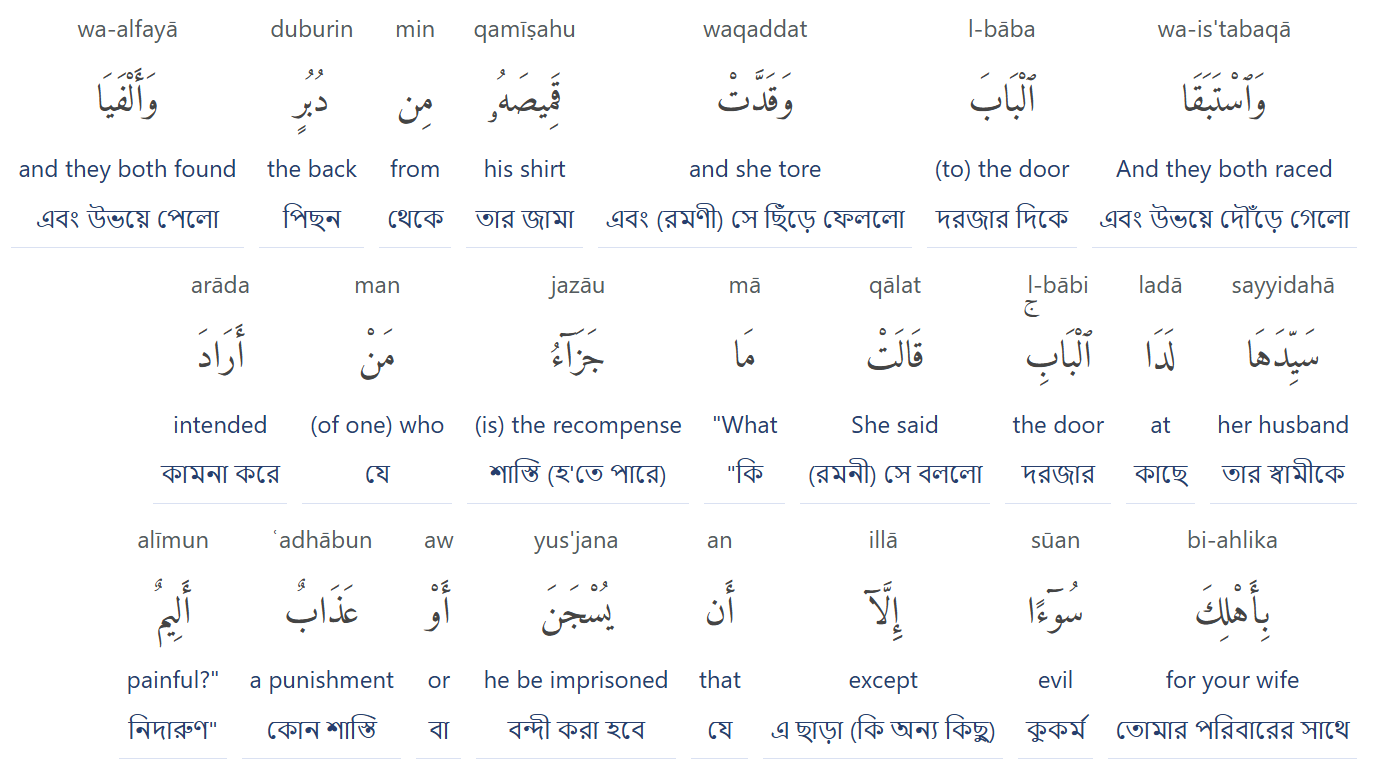
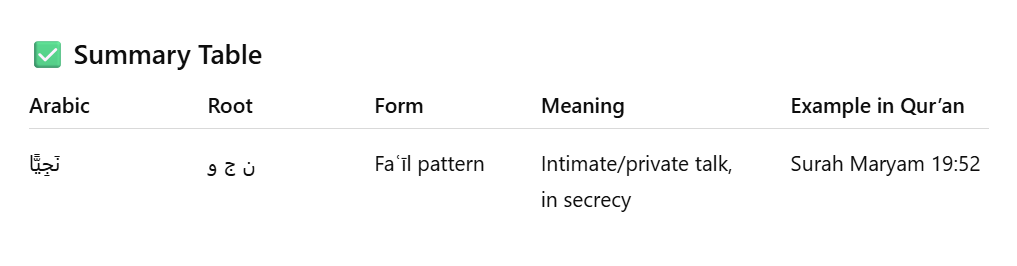
س ي د (s–y–d) → to be master, chief, leader, or prominent.
سَيِّد (sayyid) = master, chief, lord, leader.
ـهَ (–ha) = attached pronoun → his.
سَيِّدَهَ = his master / his chief / his lord.
Case: accusative or as object depending on sentence; usually follows standard usage of attached pronouns.
Refers to someone with authority, mastery, or superiority in rank.
Example (paraphrased context):
وَجَعَلْنَاهُ سَيِّدَهَ قَوْمِهِ
“…and We made him the master of his people.”
Can also denote God as the ultimate master/lord in certain contexts.
Lisān al-ʿArab:
السيادة: القيادة والفضل والعلو (leadership, superiority, exaltation).
سَيِّد = المتفوق، صاحب السلطة (the superior, one with authority).
Lane’s Lexicon:
“Chief, master, lord, superior in rank or position.”
سَيِّدَهَ = তার প্রভু / তার কর্তৃপক্ষ / তার প্রধান।উ
12:26
| Bangla | English |
|---|---|
| (যখন দরজা খোলা হলো) সে (ইউসুফ) বলল (একান্তে, মিসরের যে লোকটি তাকে কিনেছিল, যে জানত যে ইউসুফ বধির বা মূক ছিল না এবং যাকে ইউসুফ ষড়যন্ত্রে নারীটির মালিক হিসাবে জানত না): “সে আমাকে বাধ্য করতে চেয়েছিল (রাজকীয় গোপন তথ্য প্রকাশ করতে)।” এবং একজন সাক্ষী তার দলের পক্ষ থেকে (এই একই ব্যক্তি) সাক্ষ্য দিল: “যদি তার শার্টের সামনে অংশ ছিন্ন হয়, তবে সে (নারীটি) সত্য বলেছে, এবং সে (ইউসুফ) মিথ্যাবাদীদের অন্তর্ভুক্ত।” | (When the door was opened) He (Yussuf) said (in private, to the man who bought him in Misr, who knew that Yussuf was neither deaf nor mute, and whom Yussuf did not know to be the woman’s master in the conspiracy): “She attempted to compel me (into divulging royal secrets).” And a witness (this same man) from her cohort testified: “If his shirt is slit from the front, then she told the truth, and he is among the liars.” |
7. সাক্ষী এই ষড়যন্ত্রকে রক্ষা করার চেষ্টা করে এবং রাজার আদালতে ষড়যন্ত্রকারীদের জন্য একটি কৌশলগত সম্পদ হিসাবে ইউসুফকে সংরক্ষণ করার চেষ্টা করে, ইউসুফ যা বলেছিল তা পরিবর্তন করে এবং পরিস্থিতিটিকে একটি শারীরিক আক্রমণ হিসাবে উপস্থাপন করে ।
12:27
| Bangla | English |
|---|---|
| (এবং তারপর রাজা একই যুক্তি নিশ্চিত করল:) “আর যদি তার শার্টের পিঠের নীচ দিক চেরা হয়, তবে সে (নারীটি) মিথ্যাবাদী, এবং সে (ইউসুফ) সত্যবাদীদের অন্তর্ভুক্ত।” | (And then the king confirmed the same logic:) “And if his shirt is slit from the lower back, then she lied, and he is among the truthful ones.” |
Note: আমরা কিভাবে জানি যে রাজা স্বয়ং তদন্তে জড়িত ছিলেন? উত্তরটি আমরা পরবর্তী আয়াতে (12:28) পাই।
12:28
| Bangla | English |
|---|---|
| এবং যখন সে (রাজা) দেখল তার (ইউসুফের) শার্ট পেছন থেকে ছেদ করা হয়েছে, সে (রাজা) বলল: “এটি অবশ্যই তোমার নারী-ষড়যন্ত্রের একটি অংশ। নিঃসন্দেহে, তোমার নারী-ষড়যন্ত্র শক্তিশালী!” | And when he (the king) saw his (Yussuf’s) shirt slit from behind, he (the king) said: “This is indeed a part of your feminine conspiracy. Surely, your feminine conspiracy is mighty!” |
4. আমরা কিভাবে জানি যে এটা রাজা ছিল?
আয়াত 12:50 এ:
এবং রাজা বলল: “ওকে আমার কাছে নিয়ে এস!” অতঃপর, যখন (রাজার) দূত (ইউসুফের কারাগারে) উপস্থিত হলো, তখন সে (ইউসুফ) বলেছিল: “তোমার প্রভুর (রাজার) কাছে ফিরে যাও এবং তাকে জিজ্ঞাসা করো তাদের নিয়ে তদন্ত করতে যে মহিলারা তাদের হাত কেটে ফেলেছিলো। নিশ্চয়ই, আমার প্রভু তাদের সম্মিলিত মেয়েলি ষড়যন্ত্র সম্পর্কে অবগত!“
12:29
| Bangla | English |
|---|---|
| (রাজা বলল, ইউসুফের দিকে ইশারা করে:) “ইউসুফ, এটিকে উপেক্ষা করো, এবং তুমি, নারী, তোমার ভুলের পর ইউসুফের সঙ্গে তোমার সম্পর্ক মেরামত করো, কারণ নিঃসন্দেহে তুমি অন্যায়কারীদের মধ্যে একজন।” | (The king said, waving at Yussuf:) “Yussuf, ignore this, and you, woman, repair your relationship (with Yussuf) after your mistake, for indeed you have been among the wrongful ones.” |
Note: 1. ইউসুফের জন্য এই সমস্যাটিকে উপেক্ষা করার নির্দেশ শুধুমাত্র এমন একজন ব্যক্তির কাছ থেকে আসতে পারে: যে তার স্বামী নয়!
1. লক্ষ্য করুন যে তদন্তে ইউসুফের কথা বলা জড়িত ছিল না!
3. মহিলার স্বামী কিভাবে (প্রথাগত গল্প হিসাবে যা দাবি করা হয়েছে) কেবলমাত্র তার স্ত্রীর খারাপ প্রচেষ্টাকে খারিজ করে দিয়েছে এতো অপ্রস্তুতভাবে, উদাসীনভাবে, উটকাভাবে??? উত্তর: এটা তার স্বামী ছিল না! তাই অন্য কিছু চলছিল!
তাহলে, কেন তার ষড়যন্ত্রের মনিব ইউসুফের জন্য একটি মুক্তির পথ করে দিয়েছিল?
উত্তর: ইউসুফকে কৌশলগত সম্পদ হিসেবে সংরক্ষণের চেষ্টা করা (ভবিষ্যতে আবার চেষ্টা করা হবে), এবং ষড়যন্ত্র আবিষ্কার থেকে তদন্তকে বিপথগামী করা!
12:30
| Bangla | English |
|---|---|
| এবং (পরে,) কিছু নারী পুরো ‘শহর’ জুড়ে বলল: “শ্রদ্ধেয় ব্যক্তির অধীনস্থ নারী তার ভৃত্যকে (একটি প্রেমের সম্পর্কে জড়াতে) বাধ্য করার চেষ্টা করছে: সে (নারী) অবশ্যই তার প্রেমে পড়েছে। অবশ্যই, আমরা তাকে প্রকাশ্য বিচ্যুতির মধ্যে দেখি।” | And (later,) some women said throughout the ‘city’: “The Reverent One’s subordinate woman is attempting to compel her servant (to be in an amorous relationship): She is indeed smitten, in love with him. Indeed, we see her in manifest aberration.” |
12:31
| Bangla | English |
|---|---|
| এবং তাই, যখন (গুজব ছড়ানো) নারীদের প্রতারণার খবর তার (শ্রদ্ধেয় ব্যক্তির অধীনস্থ নারীর) কাছে পৌঁছাল, সে তাদের কাছে (বার্তা বা দূত) পাঠাল, এবং তাদের জন্য প্রস্তুত করল এক দায়মুক্তিমূলক আইনি প্রতিরক্ষা (অর্থাৎ, আইনি শাস্তি এড়ানোর কৌশল), এবং সে প্রত্যেককে একটি করে ছুরি দিল (ইউসুফকে ছুরিকাঘাত করার জন্য)। (এরপর) সে (নারী) বলল (ইউসুফকে): “যাও তাদের কাছে প্রচার করো (গুজব খণ্ডন করতে)!” এবং যখন (গুজব ছড়ানো) নারীরা তার দৃষ্টিভঙ্গি দেখল, তারা তাকে সম্মান করল (অর্থাৎ, তার মতামতকে বৈধ মনে করল), এবং তারা ষড়যন্ত্রকারীদের প্রতি তাদের সমর্থন ছিন্ন করল, এবং তারপর তারা বলল (ইউসুফের উপস্থিতিতে, কী বলবে তা নিয়ে পরিকল্পনা করতে, পরবর্তীতে শ্রদ্ধেয় ব্যক্তির অধীনস্থ নারীর সাথে তাদের ব্যর্থ হত্যার প্রচেষ্টা সম্পর্কে আলোচনার প্রস্তুতির জন্য): “সে আল্লাহর পক্ষ নিল! এটি মানুষের (কার্য) ছিল না! এটি ছিল কেবল অলৌকিক ক্ষমতাসম্পন্ন এক দেবদূত!” | And so, when news about the (gossiping) women’s deception reached her (the Reverent One’s subordinate woman), she sent (a message or a messenger) to them, and readied for them an exonerating legal defense (i.e., a legal punishment evasion strategy), and she provided a knife to each of them (to stab Yūssuf). (After that) she said (to Yūssuf): “Go preach to them (to denounce the rumors)!” And when the (gossiping) women saw his point of view, they respected him (i.e., considered his opinion valid), and they severed their support for the conspirators, and then they said (strategizing in Yūssuf’s presence, about what to say, in preparation for their debriefing later with the Reverent One’s subordinate woman regarding their failure to assassinate Yūssuf): “He took the side of Allah! This was not (the feat of) a human! This was but an angel with miraculous feats!” |
12:32
| Bangla | English |
|---|---|
| সে (শ্রদ্ধেয় ব্যক্তির অধীনস্থ নারী) বলল (নারীদের উদ্দেশে, পরে তাদের সাথে দেখা করার সময়, দলের ব্যর্থ হত্যাচেষ্টার পর, ইউসুফ অনুপস্থিত অবস্থায়): “এটা (তাকে হত্যা করতে তোমাদের ব্যর্থতা) তোমরা আমাকে যে বিষয়ে তিরস্কার করেছিলে, তারই সমান! আর আমি সত্যিই তাকে সহযোগিতা করতে বাধ্য করার চেষ্টা করেছিলাম (অর্থাৎ, রাজ্যের গোপনীয়তা আমাকে জানাতে), কিন্তু (যখন সে অস্বীকার করল, এবং তখন আমি তাকে হত্যা করার চেষ্টা করলাম) সে সফলভাবে নিজেকে রক্ষা করল (শারীরিকভাবে এবং ভুল থেকে)। আর যদি (ভবিষ্যতে) সে আমার নির্দেশিত পরিকল্পনা অনুযায়ী কাজ না করে, তবে সে অবশ্যই বন্দী হবে, এবং অবশ্যই পরাজিতদের একজন হয়ে যাবে!” | She (the Reverent One’s subordinate woman) said (to the women, as she met with them later, after the group’s failed assassination attempt, without Yussuf being present): “That (your failing to kill him) is the same as what you chided me about! And I had indeed attempted to compel him to cooperate (i.e., to reveal to me the king’s secrets), but (when he refused, and then I attempted to kill him) he succeeded in protecting himself (physically and from errors). And if (in the future) he does not act according to the plan that I command him to follow, he shall certainly be imprisoned, and he shall certainly become one of the defeated!” |
12:33
| Bangla | English |
|---|---|
| (নারীরা কী পরিকল্পনা করছিল এবং কীভাবে ষড়যন্ত্রকারীরা তাকে ব্ল্যাকমেইল করছিল যে, সে রাজাকে ভুল বুঝিয়েছিলেন যে সে বধির এবং মূক—এটি জানার পর) সে (ইউসুফ) বলল (একটি প্রার্থনায়): “আমার প্রভু! তারা আমাকে যে বিষয়ে আহবান জানায়, তার চেয়ে কারাবাস আমার কাছে উত্তম; এবং যদি আপনি আমার কাছ থেকে তাদের সমষ্টিগত (নারীসুলভ) ষড়যন্ত্রকে দূরে সরিয়ে না নেন, তবে আমি এই নারীদের চক্রান্তের দিকে ঝুঁকব (বাধ্য হব) এবং যারা অজ্ঞ তাদের মধ্যে অন্তর্ভুক্ত হব” | (After figuring out what the women were plotting to do, and how the conspirators were holding over him the fact that he misled the king into thinking he was mute and deaf) He (Yūssuf) said (in a supplication): “O my lord! Imprisonment is preferable to me than that to which they invite me; and unless you steer away from me their collective (feminine) conspiracy, I would (be forced to) lean in the direction of these women’s plot, and would be among those (doing so while) uninformed.” |
2. শব্দটি “يَدْعُونَنِىٓ إِلَيْهِ” (yadʿūnanī ilayhi) বহুবচন পুংলিঙ্গ এবং বহুবচন স্ত্রীলিঙ্গ উভয়ের জন্যই ব্যবহৃত হয়! এটি ইঙ্গিত করে যে ইউসুফ বুঝতে পেরেছিলেন যে এই ষড়যন্ত্রের সাথে পুরুষরাও জড়িত ছিল, শুধু নারী নয়!
5. ষড়যন্ত্রে নারীরাই যে প্রথম সারির কর্মী ছিলেন এটা শুধু এ কথা নয়, বরং এখানে কোরআনে সুস্পষ্ট গোপনীয়তার ইঙ্গিতও রয়েছে!
12:34
| Bangla | English |
|---|---|
| এবং এভাবে, তার প্রভু তাকে সম্মানিত করলেন (অর্থাৎ, তার প্রার্থনাকে মর্যাদা দিলেন) এবং তাই, তার কাছ থেকে তাদের সম্মিলিত ষড়যন্ত্র সরিয়ে দিলেন। প্রকৃতপক্ষে, তিনিই শ্রবণের মাধ্যমে রিযিকদাতা, প্রমাণভিত্তিক জ্ঞানের উৎস। | And thus, his lord gratified him (i.e., dignified his supplication) and thus, steered away from him their collective conspiracy. Indeed, it is he (Allahh) who is the provider through hearing, the source of evidence-based knowledge. |
12:35
| Bangla | English |
|---|---|
| এরপর পরে, সে (ইউসুফ) তাদের (মিসরের কর্তৃপক্ষের) কাছে নিজের (সত্য) প্রকাশ করল, যখন তারা (ইউসুফের প্রতারণার) নিদর্শন দেখল, তারা তাকে একটি নির্দিষ্ট সময় পর্যন্ত কারাগারে রাখা সমীচীন মনে করল। | Then later, he (Yussuf) revealed (the truth about) himself to them (the authorities in Misr), after they saw the signs (of Yussuf’s deception) that they should imprison him (Yussuf) until a certain time. |
12:36
| Bangla | English |
|---|---|
| এবং দুই ভৃত্য তার সাথে কারাগারে প্রবেশ করল। তাদের মধ্যে একজন বলল (ইউসুফকে): “আমি বিশ্বাস করি (আমি এখানে এসেছি কারণ) আমি মদ নিঙড়াই।” এবং অন্য একজন (অর্থাৎ ইউসুফ) বলল: “আমি বিশ্বাস করি (আমি এখানে এসেছি কারণ) ‘আমি আমার মাথার উপর কিছু রুটি বহন করি’ (অর্থাৎ, আমি নিজেকে জ্ঞানের কাছে সমর্পণ করি যা আমি শিখেছি), যা থেকে ‘তাইর’ (অর্থাৎ, ফেরেশতাগণ/শিক্ষকগন) খায় (অর্থাৎ, গ্রাস করে বা বোঝে)।” (কারাগারের দুই সঙ্গী বলল:) “এটি আমাদের জন্য ব্যাখ্যা করো (অর্থাৎ, তুমি যা বলেছ এবং প্রথম কারা-সঙ্গীকে যা বলা হয়েছিল তা ব্যাখ্যা করো), কারণ আমরা তোমাকে অন্তর্দৃষ্টি ধারণকারীদের মধ্যে দেখি।” | And two servants entered the prison with him. One of them said (to Yussuf): “I believe (I am here because) I press wine.” And one of the other ones (i.e. Yussuf) said: “I believe (I am here because) ‘I carry over my head some bread’ (i.e., I submit myself to knowledge I have learned,) of which the ‘Tayr’ (i.e., angels) eat (i.e., consume or understand)”. (The two prison mates said:) “Interpret it (i.e., explain for us what you said and what the first prison-mate was told) for us, for we see you among the insight-holders.” |
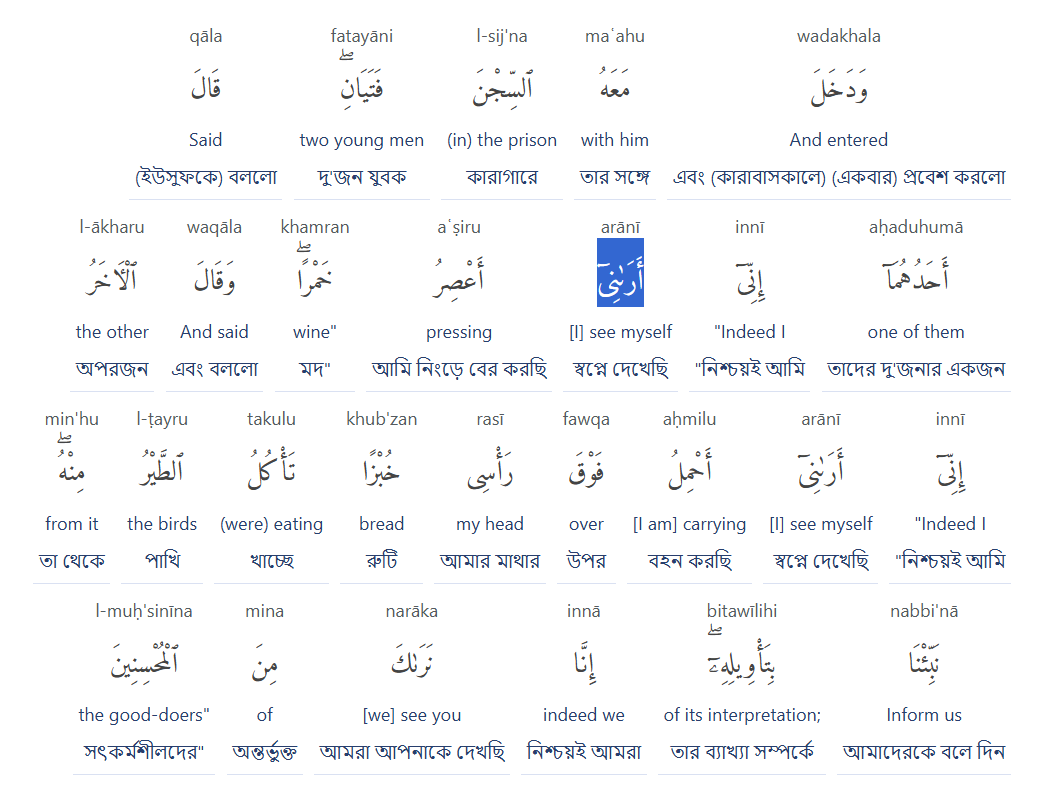
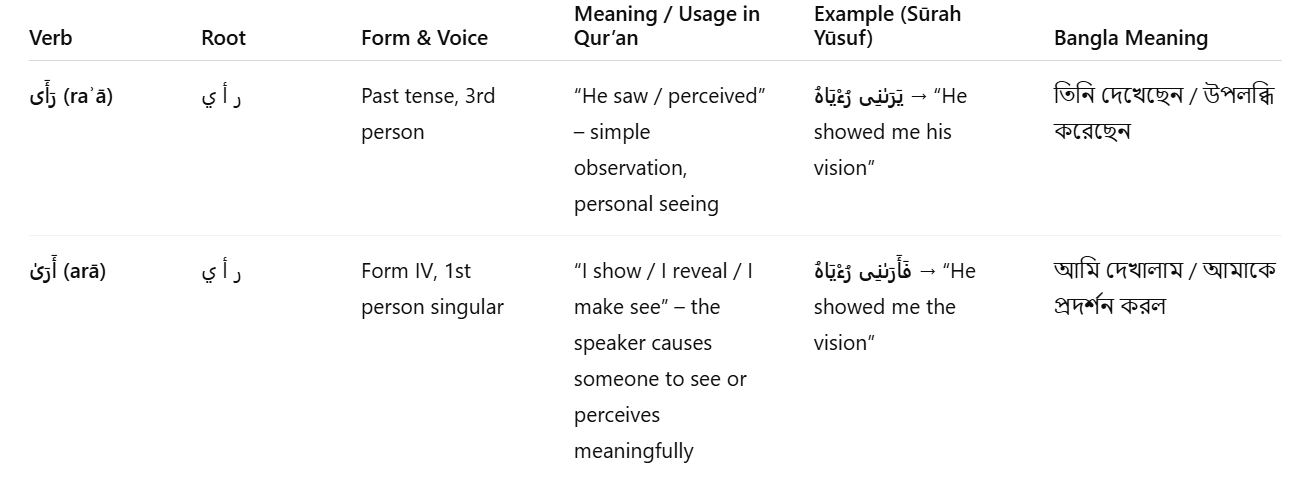
أَرَىٰنِىٓ (arānī) = I see myself, or I hold a belief about myself, or someone has told me something about myself; therefore, I have formed an opinion.
12:37
| Bangla | English |
|---|---|
| সে (ইউসুফ) বললেন: “তোমরা কখনও কোনো ‘তাআম’ (অর্থাৎ, হিকসোস ভাষায় বক্তব্য বা কথোপকথন) গ্রহণ করো না, যা তোমাদের খাদ্য (বোঝাপড়া) হিসেবে দেওয়া হয়, তবে (তোমরা দেখবে) আমি তার ব্যাখ্যা তোমাদের জানাবো তোমাদের কাছে তা (‘তাআম’) আনার পূর্বেই। আমার দুই কারাগারের সাথী, এটি প্রমাণভিত্তিক জ্ঞানের অংশ যা আমার প্রভু (আল্লাহ) আমাকে শিখিয়েছেন। আমি এমন লোকদের রচনাশৈলী পরিত্যাগ করেছি যারা আল্লাহতে বিশ্বাস করে না, এবং ধৈর্যশীল, পরবর্তী জ্ঞান অনুযায়ী, তাদেরকে অবিশ্বাসী হিসেবে গণ্য করা হবে।” | He (Yussuf) said: “Never do you receive any ‘Ta3ām’ (i.e., speech or discourse in the language of the Hyksos), given to you as sustenance (understanding), but (you will find that) I will inform you of its interpretation before it (the ‘Ta3ām’) is brought upon you. That, my two prison mates, is part of the evidence-based knowledge that my lord (Allahh) has taught me. I have abandoned the compositional style of a people who do not believe in Allahh, and in accordance with the delayed, diligent understanding, they shall be deemed as deniers. |
12:38
| Bangla | English |
|---|---|
| “এবং পরিবর্তে আমি, আমার পূর্বপুরুষ, ইব্রাহিম এবং ইশহাক এবং ইয়াকুবের রচনাশৈলী* অনুসরণ করেছি। আল্লাহর সাথে কোন কিছুকে শরীক করা আমাদের জন্য শোভনীয় নয়। এটি আমাদের এবং (অন্যান্য) মানুষের উপর আল্লাহর অনুগ্রহের অংশ, কিন্তু অধিকাংশ মানুষ আল্লাহর সাথে সঠিকভাবে যোগাযোগ করে না। | “And I followed, instead, the compositional style of my forefathers, Ibrāhīm and Issḥāq and Yaɛqub. It is not befitting for us to associate of anything with Allahh. That is part of Allahh’s beneficence upon us and upon (other) people, but most people do not communicate properly with Allahh.” |
Note: * মিল্লাত ইব্রাহীম (the compositional style of Ibrahim) হল ভাষাগত বিচক্ষণতার রচনাশৈলী যা তাকে আল্লাহ শিখিয়েছেন
“পিতৃপুরুষ” বলতে সাধারণত পূর্বপুরুষ, অর্থাৎ পিতা, পিতামহ, প্রপিতামহ এবং তাঁদের পূর্ববর্তী পুরুষদের বোঝায়। এই শব্দটি কখনো কখনো কোনো গোষ্ঠী বা প্রতিষ্ঠানের প্রতিষ্ঠাতা পুরুষ নেতাকেও বোঝাতে ব্যবহৃত হয়। কোনো পরিবার, সম্প্রদায় বা সংগঠনকে যে পুরুষ প্রথম প্রতিষ্ঠা করেন, তাঁকেও “পিতৃপুরুষ” বলা হয়।
12:39
| Bangla | English |
|---|---|
| “ও আমার দুই কারাগারের সাথী! ছড়িয়ে ছিটিয়ে থাকা প্রভুরা উত্তম নাকি আল্লাহ, যিনি এক, সর্বশক্তিমান?” | “O my two prison mates! Are scattered lords better or Allahh, the one, the predominant?” |
12:40
| Bangla | English |
|---|---|
| যাদের কাছে তোমরা নিজেদের সমর্পণ করো, তোমাদের এবং তাঁর (আল্লাহর) মধ্যে স্থাপন কর, তারা কেবল সেই লেবেল যা তোমরা এবং তোমাদের পূর্বপুরুষরা মনোনীত করেছো এবং যার মধ্যে আল্লাহ কোন কর্তৃত্ব স্থাপন করেননি। ভাষাগত বিচক্ষণতার ক্ষমতা কেবল আল্লাহর। তিনি আদেশ করেছেন যে, তোমরা যেন তাঁকে ছাড়া আর কারও কাছে নিজেদের সমর্পণ না করো। এটাই হলো সত্যিকার নীতির ভিত্তিতে প্রতিষ্ঠিত ব্যবস্থা; কিন্তু দুঃখের বিষয়, অধিকাংশ মানুষ প্রমাণ-ভিত্তিক জ্ঞানের অধিকারী নয়। | Those to whom you submit yourselves, placing them between you and him (Allahh), are but labels that you and (in the way of) your forefathers have designated, and in which Allahh has not instilled any authoritativeness. The linguistic discernment belongs but to Allahh. He has ordained that you should submit yourselves to none but him: That is truly the established order based on principles, but, alas, most people do not possess evidence-based knowledge. |
12:41
| Bangla | English |
|---|---|
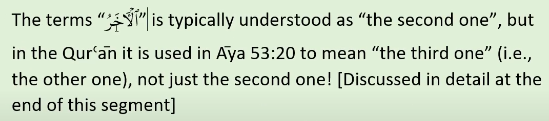
(ইউসুফ বলতে থাকে:) “ও আমার দুই কারাগারের সাথী! তোমাদের একজন তার প্রভুকে ‘মদ্য’ পান করায় (অর্থাৎ, বিকৃত বা বিভ্রান্তিকর তথ্য সরবরাহ করে)।” কিন্তু অন্যদের একজনের জন্য, তার বংশধারা সঠিকভাবে শনাক্ত হবে, এবং ‘তায়ের’ (অর্থাৎ, ফেরেশতা ও শিক্ষকরা) তার মাথা থেকে ‘খাবে’ (অর্থাৎ, তার জ্ঞান ব্যবহার করবে বা উপকৃত হবে)। (ইউসুফ বলল:) “যে বিষয়ে তোমরা আমার মতামত চেয়েছিলে, তা ইতোমধ্যেই সিদ্ধান্ত হয়ে গেছে।” | (Yussuf continued:) “O my two prison mates! As for one of you, he offers his lord ‘Khamr’ to drink (i.e., fermented information; i.e., misleading or corrupting information).” But as for one of the others, his lineage will be properly identified, and the ‘Tayr’ (i.e., angels and teachers) will ‘eat from his head’ (i.e., use or benefit from his knowledge). (And Yussuf continued:) “The matter about which you sought my opinion has been already decreed.” |
2. ভাষাগতভাবে, “خَمْر” (খামর) শব্দটি এমন একটি পানীয়কে নির্দেশ করে যা গাঁজান, বিষাক্ত, প্রতারণা, ইত্যাদি।
3. এটাকে সেই পবিত্র পানির সঙ্গে তুলনা করুন, যা পুষ্টিকর, পুনরুজ্জীবিত করা, এক পবিত্র নির্দেশনা হিসেবে দেওয়া হয়েছে!
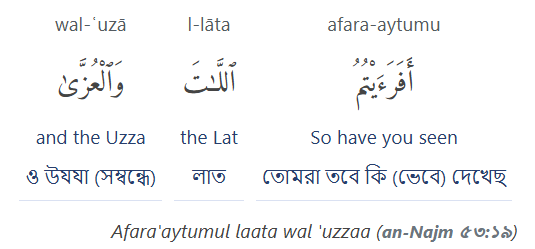
53:19
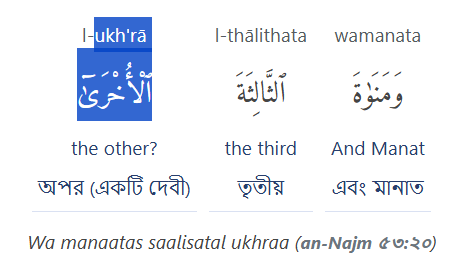
53:20
12:41
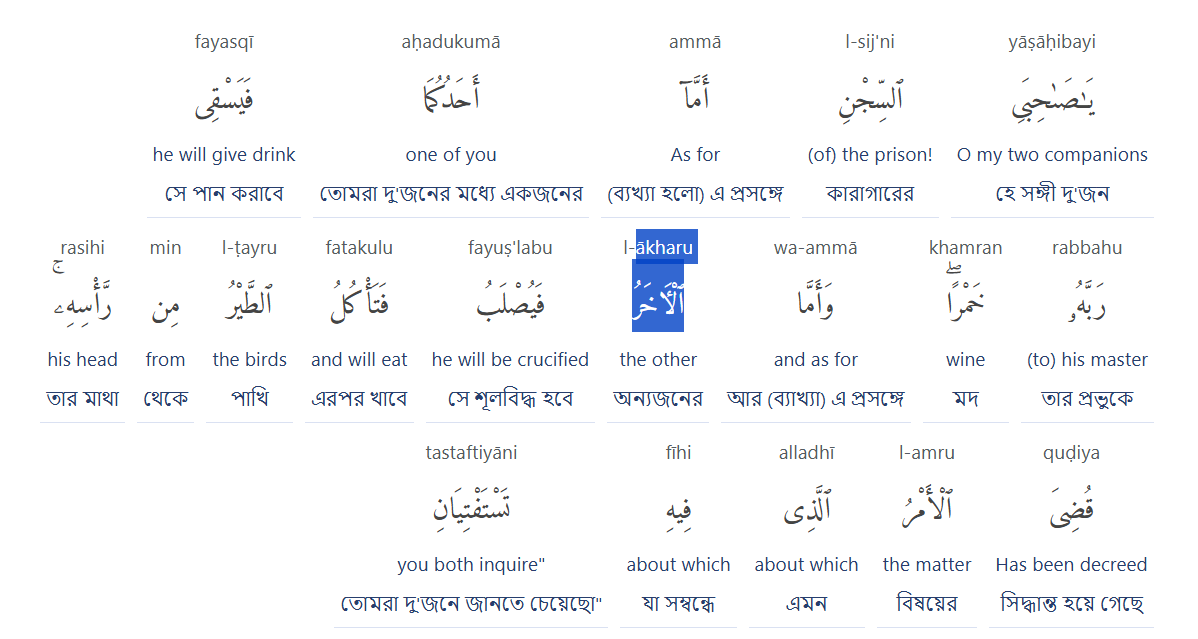
ইউসুফ পরবর্তীতে মিসরের মানুষের কাছে গ্রহণযোগ্য এক নবী হবেন। তিনি ইবরাহিমের বংশধারা থেকে আসছেন, আর মিসরের মানুষরা নূহের বংশধারা থেকে এসেছে। নবী (আম্বিয়া) হওয়ার জন্য এই দুই বংশধারার মিলন দরকার। তাই তায়র—যারা ফেরেশতা বা শিক্ষক—তারা তার মাথা থেকে খাবে বা গ্রহণ করবে, অর্থাৎ তার মাথা থেকে যে জ্ঞান বের হয়, তার কথা বা জ্ঞান তারা গ্রহণ করবে।
3:7
He is the one who caused to be made accessible upon you the (message within the) scripture, from him (i.e., from Allahh):
(All of it consists of) Ayats that are semantically crafted with precision,
that are (of several types):
(Some of them are) The “mother of the scripture” (i.e., the contextual semantic bases, the authoritative sources of its meanings), and others that appear similar (to other portions of corrupted versions of earlier scriptures, or to other portions of the QurꜤān).
As for people whose cores suffer diplopia (i.e., cannot focus on a single,
they follow that which is similar (i.e., they adopt the understanding from similar appearing portions in corrupted versions of earlier scriptures) instead of it (i.e., instead of the Qurꜥān),
seeking (to cause) tribulation,
and seeking (the reputation of knowing) its interpretation.
But no one truly knows its interpretation except Allahh and those who are firmly grounded in evidence-based knowledge (from Allahh).
(Those who are grounded firmly in evidence-based knowledge) They say: ‘We believe in it (i.e., the Qurꜥān).
‘It (i.e., the QurꜤān) is intra-dependent in its totality, dependent upon the direction, as allowed (in accordance with our Weltanschauung) by our lord.’ And none (may) seek to sow (new inquiries into his Weltanschauung) except those with guided cores.
তিনি তোমার ওপর কিতাব (এর বার্তাগুলি) উপলভ্য করেছেন:
(পুরোটা) এমন আয়াতসমূহ নিয়ে গঠিত, যা শব্দার্থগতভাবে নিখুঁতভাবে নির্মিত, এবং এগুলো (কয়েকটি ধরণের):
(কিছু আয়াত হলো) “কিতাবের মাা” (অর্থাৎ, কিতাবের প্রাসঙ্গিক অর্থের ভিত্তিমূল, এর অর্থের নির্ভরযোগ্য উৎস), এবং অন্যান্যগুলো সাদৃশ্যপূর্ণ (পূর্ববর্তী কিতাবের ভ্রষ্ট সংস্করণের অন্যান্য অংশের সাথে বা কোরআনের অন্যান্য অংশের সাথে)।
যারা দ্বৈত দৃষ্টিতে (অর্থাৎ, একটি মূল ভিত্তিতে স্থির হতে না পারার কারণে) ভুগছে, তারা সাদৃশ্যপূর্ণ অংশগুলো অনুসরণ করে (অর্থাৎ, পূর্ববর্তী কিতাবের দূষিত সংস্করণগুলিতে অনুরূপ উপস্থিত অংশগুলি থেকে বোঝাপড়া গ্রহণ করে) সেটির পরিবর্তে (অর্থাৎ, কোরআনের পরিবর্তে),
কঠিন দুর্দশা (তৈরির) সন্ধানে,
এবং এর ব্যাখ্যা (জানার খ্যাতির) সন্ধানে।
কিন্তু এর প্রকৃত ব্যাখ্যা কেউই জানে না, আল্লাহ ছাড়া এবং যারা (আল্লাহর কাছ থেকে) প্রমাণ-ভিত্তিক জ্ঞানে দৃঢ়ভাবে প্রতিষ্ঠিত তারা ছাড়া।
(প্রমাণ-ভিত্তিক জ্ঞানে সুপ্রতিষ্ঠিতরা) তারা বলে: “আমরা এতে বিশ্বাস করি (অর্থাৎ, কোরআনে)।
এটি (কোরআন) সামগ্রিকভাবে আত্মনির্ভরশীল, দিকনির্দেশনার উপর নির্ভরশীল, এবং আমাদের প্রভুর অনুমোদন অনুযায়ী (আমাদের জীবনবেদ অনুসারে) নির্ধারিত।”
এবং (হয়তো) কেউই (তার জীবনবেদে নতুন অনুসন্ধান) বপনের চেষ্টা করে না, ব্যতীত তাদের যারা নির্দেশিত অন্তর ধারণ করে।
12:42
| Bangla | English |
|---|---|
| এবং সে (ইউসুফ) একজন (বন্দীকে) যাকে সে (রাজার সাথে) ঘনিষ্ঠতার জন্য (পর্যাপ্ত ভরসা করতে পারে) ভেবেছিল তাকে বলল: “তোমার প্রভুর (অর্থাৎ, রাজার) উপস্থিতিতে আমাকে উল্লেখ করো!” কিন্তু হায়, শয়তান তাকে (কারাবন্দীকে) তার শিক্ষক (ইউসুফ)-এর কথা স্মরণ করানো ভুলিয়ে দিল, এবং এর ফলে, সে (ইউসুফ) কয়েক বছর কারাগারে রয়ে গেল। | And he (Yussuf) said to the one (prisoner) whom he thought he would (trust enough to) intimate (to the king): “Mention me in the presence of your lord (i.e., the king)!” But, alas, Shaytan caused him (the prisoner) to forget the remembrance of his teacher (Yussuf), and thus, he (Yussuf) remained in prison for a few years. |
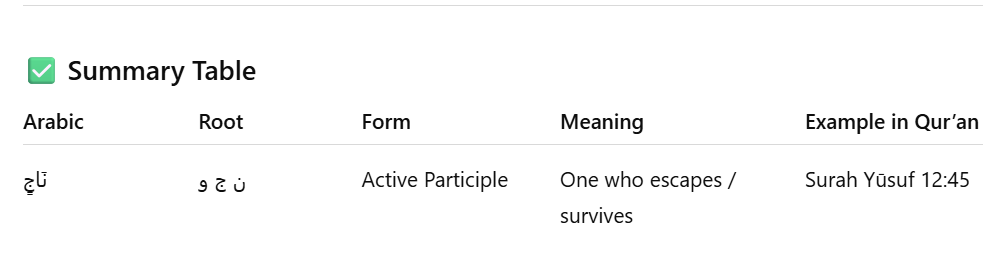
12:43
| Bangla | English |
|---|---|
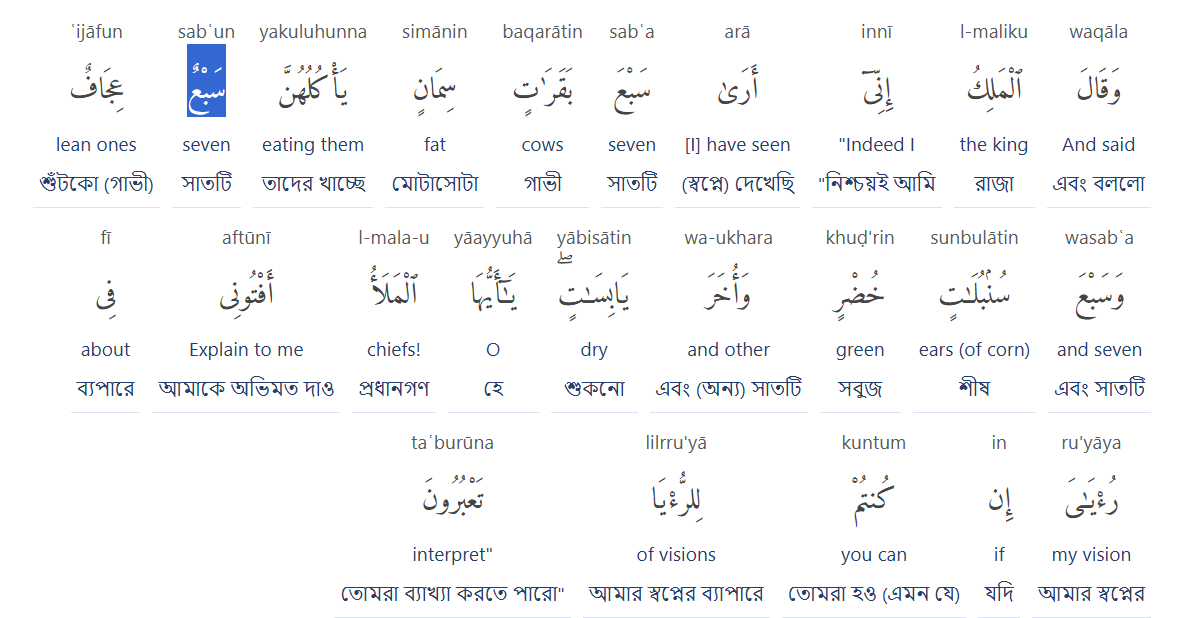
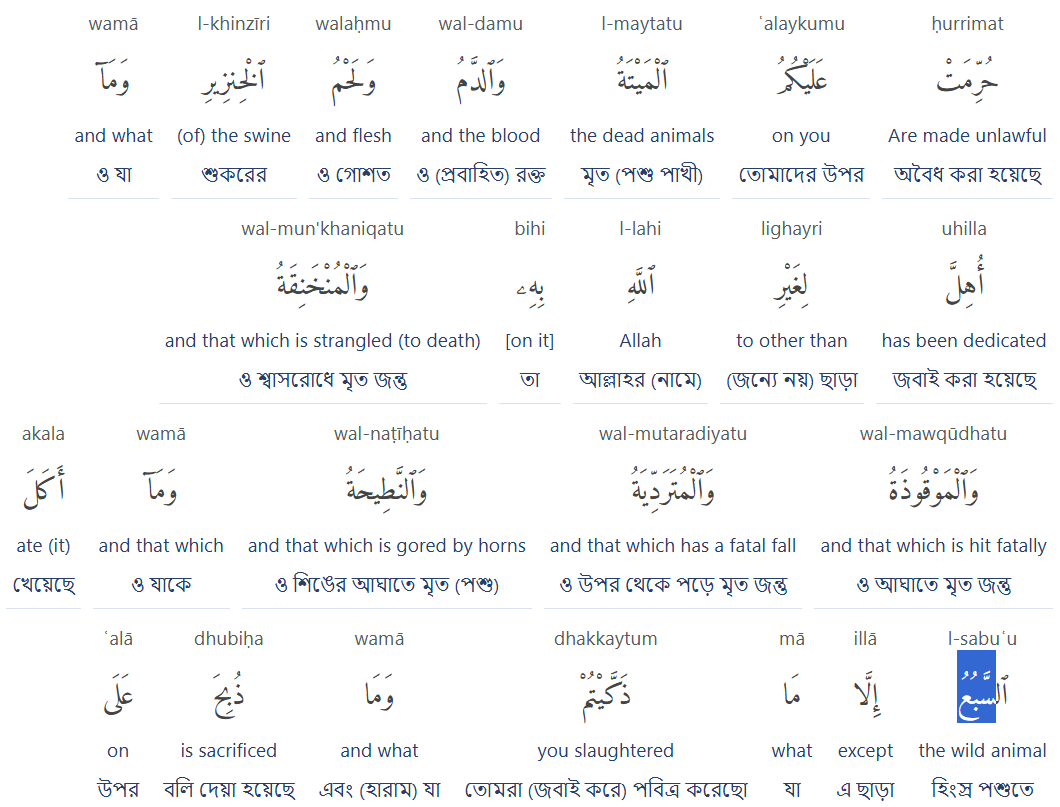
| এবং রাজা বলল: “আমি দেখি সাতটি (অর্থাৎ, কিছু) মোটা গাভীকে শীর্ণকায় জন্তুরা (অর্থাৎ, শত্রুরা) খাচ্ছে, এবং কিছু মহিলা লম্বা পশ্চাদেশসহ সবুজ গাউন পরে আছে অন্যদের (নারীদের) সঙ্গী হয়ে, যারা কুঁকড়ে গেছে। হে গণ্যমান্য ব্যক্তিবর্গ! আমার (চাক্ষুষ) প্রতিবেদন সম্পর্কে আমাকে একটি মতামত দিন, যদি আপনারা এ বিষয়ে (একটি) মতামতে পৌঁছাতে সক্ষম হন!” | And the king said: “I see seven (i.e., several) fat cows being fed on by emaciated beasts (i.e., enemies), and several ladies wearing long green gowns with train in the company of others (feminine) who are shriveled. O notables! Provide me an opinion about my (eyewitness) reports, if you are able to cross over to (form) an opinion thereof!” |

أَرَىٰنِىٓ (arā) = I see myself, or I hold a belief about myself, or someone has told me something about myself; therefore, I have formed an opinion.
5:3
12:44
| Bangla | English |
|---|---|
| তারা বলল: “(এই প্রতিবেদনগুলি) এলোমেলোভাবে জড়ো হওয়া কিশোর কল্পনাগুলির (চেয়ে বেশি কিছু নয়), এবং কৈশোরের এই ধরনের (কথিত) ব্যাখ্যাগুলির কোনও প্রমাণ-ভিত্তিক জ্ঞান আমাদের নেই।” | They said: “(These reports consist of no more than) Randomly gathered teenage imaginings, and we have no evidence-based knowledge of such (alleged) interpretations by youths.” |
12:45
| Bangla | English |
|---|---|
| তখন, সেই ব্যক্তি (দুই কারাবন্দীর একজন) যে অন্তরঙ্গ (রাজার সাথে, এবং যাকে ইউসুফ রাজাকে বার্তা দেওয়ার অনুরোধ করেছিল), এবং যার মনে (খাদ্য ‘তাআম’-এর কথা ছিল, যা ইউসুফ কারাগারে ব্যবহার করেছিল) কিছু সময় অতিবাহিত হওয়ার পর হঠাৎ চমকে উঠে, হস্তক্ষেপ করল: “আমিই সেই ব্যক্তি, যে এর ব্যাখ্যার বিবরণ আপনাকে এনে দিতে পারে; সুতরাং, আমাকে (রাজার বার্তাবাহক হিসেবে) পাঠান।” | At that, the one (of the two prisoners) who intimated (to the king, and whom Yussuf had requested to intimate to the king), and in whose mind the reference (to food ‘TaƐam’, which Yussuf had used back in prison) suddenly flashed only after some time passed, interjected: “I am the one who can bring you an account of its interpretation; therefore, send me (as an official messenger from the king).” |
12:46
| Bangla | English |
|---|---|
| “ইউসুফ, হে বিশ্বাসযোগ্য! আমাদের পরামর্শ দাও, সাতটি (অর্থাৎ, কিছু) মোটা গাভীকে শীর্ণকায় জন্তুরা (অর্থাৎ, শত্রুরা) খাচ্ছে, এবং কিছু মহিলা লম্বা পশ্চাদেশসহ সবুজ গাউন পরে আছে অন্যদের (নারীদের) সঙ্গী হয়ে, যারা কুঁকড়ে গেছে; এবং আমি জনগণের কাছে আমার মিশন পুনরায় শুরু করার জন্য (তথ্য সহ) ফিরে যাওয়ার আশা করি, এবং আমি আশা করি যে তারা (নির্দোষতা) নিশ্চিত করবে!” | “Yussuf, O credible one! Counsel us about seven (i.e., several) fat cows being fed on by emaciated beasts (i.e., enemies), and several ladies wearing long green gowns with train in the company of others (feminine) who are shriveled, and I hope to return (with information) to resume my mission to the people, and I hope that they ascertain (innocence)!” |
Note: 1. লক্ষ্য করুন যে প্রতিবেদনটি অক্ষরে অক্ষরে বহন করা হয়েছে, সামান্যতম পরিবর্তন ছাড়াই: এই লোকটিকে আসন্ন আয়াত 12.50 এ আল্লাহ দ্বারা “রাসুল” হিসাবে উল্লেখ করা হবে। রাসুল আক্ষরিকভাবে বার্তাটি সরবরাহ করে!
12:47
| Bangla | English |
|---|---|
| সে (ইউসুফ) বলল: “আপনারা পরিশ্রম করে সাত (অর্থাৎ, কিছু) বছর ধরে বপন করছেন, কিন্তু আপনারা ফসল কাটতে পারেননি। সুতরাং, সন্ধান করুন শস্য ঝাড়াই করতে (অর্থাৎ, সত্য বের করতে) লম্বা পশ্চাদেশসহ সবুজ আলখাল্লা যারা পরে তাদের মধ্যে থেকে, তা থেকে যা সামান্য (সঠিক, কার্যকর তথ্য) আপনারা (পান) তা গ্রহণ করুন।” | He (Yussuf) said: “You (stated in the plural) have been planting diligently for seven (i.e., several) years, but you (stated in the plural) have not reaped. Therefore, seek (stated in the plural) to winnow it (i.e., the truth) among (those who wear) the gowns with the train, except a little of what (correct, useful information) you (are given to) consume. |
2. ইউসুফ রাজার প্রতিবেদনের ব্যাখ্যাটি একটি বার্তা দিয়ে সাংকেতিক করেছিলেন, যাতে রাজা এটি বুঝতে পারেন তবে বার্তাবাহক (অর্থাৎ, তার প্রাক্তন কারাগারের সঙ্গী যে প্রকৃতপক্ষে বার্তাটি বহন করেছিল) এটি বুঝতে পারবে না।
12:48
| Bangla | English |
|---|---|
| “তারপর, এর ফলস্বরূপ (যারা লম্বা প্রান্তযুক্ত পোশাক পরে তাদের মধ্যে ষড়যন্ত্রের কারণে), শক্তিশালী জন্তুরা আসে, যা আপনারা তাদের জন্য সরবরাহ করছেন তা খায়, তবে যা সামান্য আপনারা সংরক্ষণ করেন তা বাদে।” | “Then, as a result of that (conspiracy among those who wear the gowns with the train), come strong beasts, consuming (stated to be referring to women as the subject) what you have provided to them (stated to be referring to women as the object), except a little of what you safeguard.” |
12:49
| Bangla | English |
|---|---|
| “তারপর, এর ফলস্বরূপ (অর্থাৎ, আমি যে ঝাড়াই-বাছাইয়ের পরামর্শ দিচ্ছি), এমন বছরগুলো আসবে যার মধ্যে মানুষদের উদ্ধার করা হবে এবং যেখানে তারা নিরাপত্তা ও সমৃদ্ধির সময়কাল পাবে।” | “Then, as a result of that (i.e., the winnowing that I recommend), there will come years of the type during which the people will be rescued and during which they will have a period (of safety and prosperity).” |
– সমাপনী মন্তব্য…
এই গুরুত্বপূর্ণ তথ্যের উপর ভিত্তি করে, ইউসুফকে রাজা কেবল নির্দোষ বলেই খুঁজে পাননি, কিন্তু রাজার একজন আস্থাভাজন এবং উপদেষ্টা হিসেবে নিয়ে আসেন!
আমাদের প্রিয় নবি (সাঃ)-এর জন্য পাঠটি ছিল দ্ব্যর্থহীন: রাষ্ট্রীয় নিরাপত্তার অবিচ্ছেদ্য অংশ হিসাবে তথ্য সুরক্ষার গুরুত্ব!
এই কারণেই আমরা বিশ্বাস করি যে সেখানে একদল ঘনিষ্ঠ সাহাবী ছিলেন যারা নবি হিসাবে আমাদের প্রিয় নবি সাঃ দ্বারা প্রদত্ত বিশেষ জ্ঞান এবং তথ্যে গোপন রেখেছিলেন!
আমাদের প্রিয় নবি (সাঃ) কীভাবে মদিনায় রাষ্ট্রকে নেতৃত্ব দিয়েছিল সে সম্পর্কে আমাদের খুব বেশি কিছু বলা হয় না, কিন্তু সুরা ইউসুফ আমাদেরকে তিনি যে পাঠগুলি প্রয়োগ করেছিলেন সে সম্পর্কে অন্তর্দৃষ্টি সরবরাহ করে!
12:50
| Bangla | English |
|---|---|
| এবং রাজা বলল: “ওকে আমার কাছে নিয়ে এস!” এর পরে, যখন (রাজার) দূত (ইউসুফের কারাগারে) পৌঁছাল, সে (ইউসুফ) বলল: “তোমার প্রভুর (রাজার) কাছে ফিরে যাও এবং তাকে জিজ্ঞেস করো সেই মহিলাদের সম্পর্কে যারা ‘হাত কেটে ফেলেছে’? তোমার প্রভুর (রাজার) কাছে ফিরে যাও এবং তাকে জিজ্ঞাসা করো সেই মহিলাদের নিয়ে তদন্ত করতে যারা তাদের ‘হাত কেটে ফেলেছিলো’। নিশ্চয়ই, আমার প্রভু তাদের সম্মিলিত মেয়েলি ষড়যন্ত্র সম্পর্কে অবগত!” | And the king said: “Bring him to me!” Thereafter, when the (king’s) messenger arrived (at Yussuf’s prison location), he (Yussuf) said: “Return to your lord (the king) and ask him to inquire about the women who ‘cut off their hands’? Surely, my lord is knowledgeable about their collective feminine conspiracy!” |
12:51
| Bangla | English |
|---|---|
| সে (রাজা) বলল (গুজব ছড়ানো মহিলাদের জিজ্ঞেস করে): “তোমরা কেন এমন আচরণ করেছিলে যখন ইউসুফকে প্ররোচিত করতে চেয়েছিলে?” তারা বলল (ইউসুফ সম্পর্কে): “সে আল্লাহর পক্ষ নিয়েছিল! তার দ্বারা কোনো ক্ষতি সংঘটিত হওয়ার প্রমাণ আমাদের কাছে নেই: (আমরা আরও সাক্ষ্য দিই যে) শ্রদ্ধেয় ব্যক্তির অধস্তন মহিলাটি বলেছে (এবং আমরা সবাই তা প্রত্যক্ষ করেছি): ‘এখন সত্য প্রকাশিত হলো! আমি তাকে প্ররোচিত করার চেষ্টা করেছি (তাঁর কাছ থেকে গোপনীয়তা বের করার জন্য), এবং সত্যিই সে সত্যবাদীর মধ্যে রয়েছেন।’” | He (the king) said (interrogating the gossiping women): “What caused you to behave how you behaved when you attempted to compel Yussuf?” They said (about Yussuf): “He took the side of Allah! We have no evidence of him committing any harm: (We further attest that) The Reverent one’s subordinate woman said (and we all witnessed it): ‘Now the truth is exposed! I attempted to compel him (to extract secrets from him), and indeed he is among the truthful.’” |
Note: 1. লক্ষ্য করুন, রাজা তাদের ‘হাত কাটার’ কথা জিজ্ঞেস করেননি!
2. শ্রদ্ধেয় একজনের অধীনস্থ মহিলা তাদের সাথে ছিল না!
12:52
| Bangla | English |
|---|---|
| (রাজার তদন্তের ফলাফল শুনে, সম্ভবত একই প্রাক্তন বন্দীর কাছ থেকে,) ইউসুফ বলল, “এটি ছিল তার (রাজার) জন্য, সত্যের প্রমাণ প্রকাশ করার যে আমি কখনোই তাকে বিশ্বাসঘাতকতা করিনি এমন বিষয়গুলিতে যা (থাকার কথা) অপ্রকাশিত, এবং (আমি নিজেকে এই নীতিতে ধরে রাখি যে) আল্লাহ কখনও বিশ্বাসঘাতকদের চক্রান্তকে পরিচালনা করেন না।।” | (Upon hearing the outcome of the king’s investigation, probably from the same ex-prisoner, Yussuf said:) “That was for him (the king) to expose the evidence of the truth that I never betrayed him in matters that were (to remain) undisclosed, and that (I hold myself to the principle that) Allahh never guides the plotting of the betrayers.” |
12:53
| Bangla | English |
|---|---|
| (ইউসুফ বলল:) “এবং (এই তদন্তের পরে) আমি সেই ব্যক্তি নই যে আমার নির্দোষতা ঘোষণা করি, কারণ প্রকৃতপক্ষে, ক্ষতি করার জন্য প্ররোচিত করতে নিজ হচ্ছে দায়বদ্ধ, তবে যারা আমার প্রভুর করুণাময় অনুগ্রহ দ্বারা রক্ষা পেয়েছে তাদের ছাড়া। নিশ্চয়, আমার প্রভু মানুষদের সঙ্গে পুনরায় সম্পর্ক স্থাপনের অনুমতি দিতে সদয়।” | (Yussuf continued:) “And (after this investigation) I am not the one who proclaim my innocence, for indeed, the self is liable to incite to harm, except those who are mercifully sustained by my lord. Surely, my lord is amenable to allow people to reconnect with him, merciful.” |